How to Properly Document Vehicle Damage With Car Accident Photos
TL;DR: Taking the right photos after a car accident can make or break your insurance claim. Most drivers either forget to document the scene entirely or snap a few rushed pictures that don't capture the full story. Proper car damage photos protect you from disputes, speeds up the claims process, and ensures you get fair compensation for repairs. Here's what you need to know:
- Photograph the full scene before anything gets moved or cleaned up
- Capture wide shots, mid-range shots, and close-ups of all damage
- Document every vehicle involved from multiple angles
- Include road conditions, traffic signs, and weather visibility
- Save photos with timestamps and back them up immediately
You may not realize it, but the pictures you take immediately after an accident make a huge difference for your insurance claims. Learn more in this guide about how to properly document the damage following the accident.
Start With the Full Scene Before Anything Changes
The first thing you should do after confirming everyone is safe is pull out your phone and start taking photos of the entire accident scene. Capture wide shots that show the positions of all vehicles, the road layout, intersections, and any debris on the ground. These overview shots establish context that close-up damage photos alone can't provide.
Do this before vehicles get moved, tow trucks arrive, or road crews start cleaning up. Once the scene changes, you lose the ability to prove how the accident actually happened. Insurance adjusters rely heavily on scene photos to determine fault, and without them you're left with your word against someone else's.
Photograph All Vehicle Damage Up Close and From a Distance
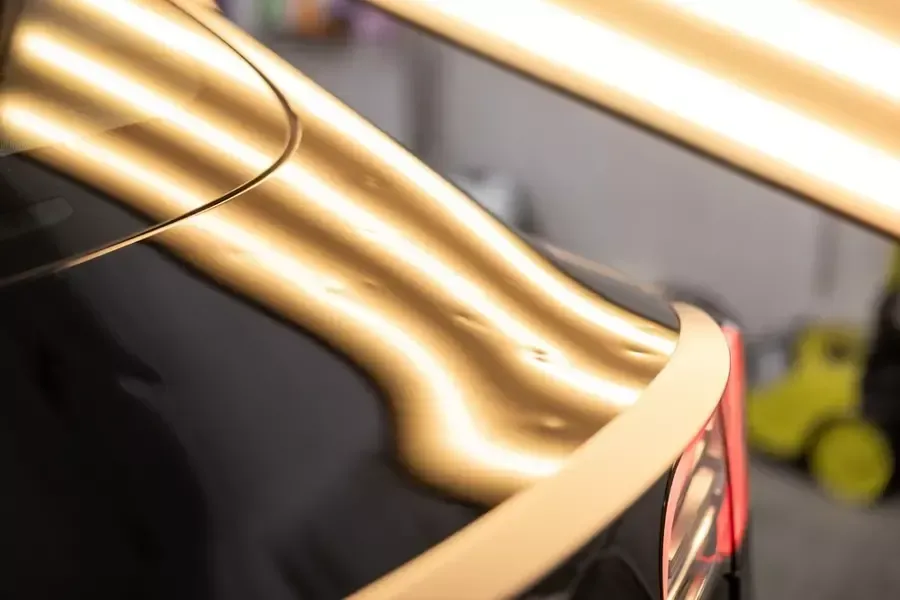
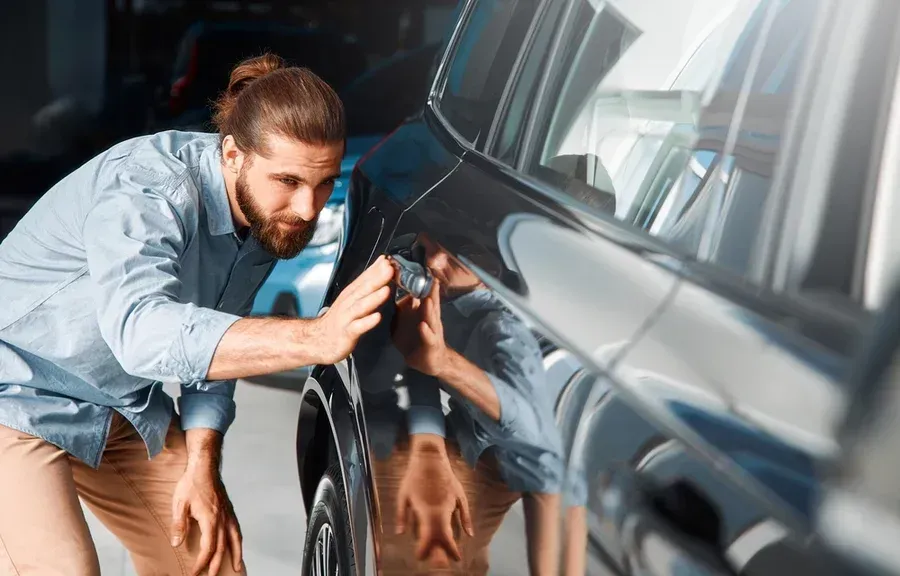
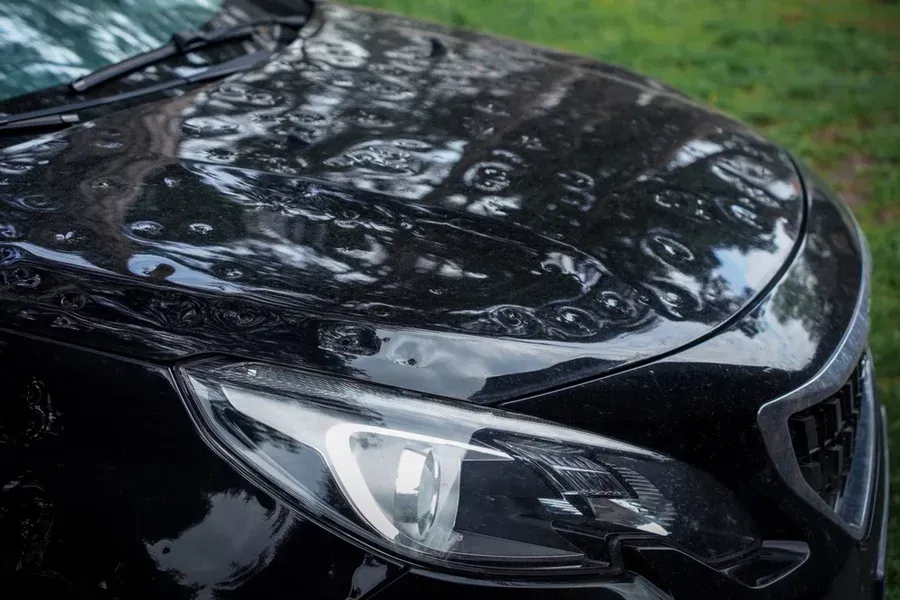
After you've captured the full scene, focus on the damage to every vehicle involved. Start with auto accident pictures from about 10 feet away that show the damaged area in relation to the rest of the car, then move in for detailed close-ups of dents, scratches, broken glass, and paint transfer. Make sure your photos are clear and well-lit so adjusters can actually assess the severity.
Car pictures for insurance don't just include your car. Get shots of the other driver's damage too, including their license plate, make, model, and color. If there's pre-existing damage on either vehicle that's unrelated to the accident, photograph that as well so it doesn't get lumped into the claim later.
Capture Road Conditions, Signage, and Contributing Factors
Photos of the road itself can be just as valuable as vehicle damage shots. Document things like wet pavement, potholes, faded lane markings, obscured stop signs, or construction zones that may have contributed to the accident. If visibility was poor due to sun glare, fog, or darkness, try to capture that in your photos too.
These environmental details help paint a complete picture for your insurance company and can support your version of events if fault becomes contested. A photo of a missing stop sign or an icy patch on the road tells a story that a written statement simply can't match.
Save, Back Up, and Organize Your Photos Right Away
Once you've finished documenting everything, take a few minutes to review your photos and make sure nothing is blurry or missing. Note the date, time, and location either in your phone's notes app or by texting the details to yourself. Cloud backup services like Google Photos or iCloud will automatically save your images, and it's worth confirming they've synced before you leave the scene.
Organization matters when it comes time to file your claim. Group your photos by category, such as scene overview, your vehicle damage, other vehicle damage, and road conditions, so your insurance adjuster can review everything quickly and without confusion.
Final Thoughts
Vehicle accident photos after a car accident isn't something you want to figure out in the moment. Knowing what to capture and how to organize it ahead of time puts you in a much stronger position when filing your claim and getting your vehicle repaired correctly. The better your documentation, the smoother and faster the entire process becomes.
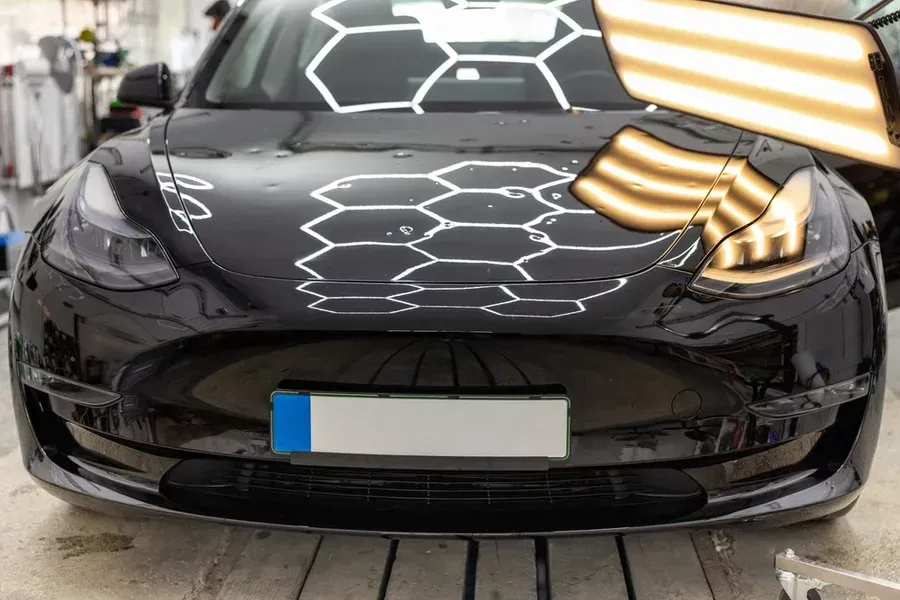
Find a trusted partner for insurance claim dent repairs.
Related Articles