How Do You Prepare Your Vehicle for Lease Return?
TL;DR: Fixing lease return dents before inspection can prevent surprise fees and usually costs less than paying the leasing company’s damage rates.
- Start lease return prep 60 to 90 days before turn-in so you have time for inspection, quotes, and repairs.
- Use the credit card test: dents or scratches larger than a standard credit card may be billed as excess wear.
- Schedule a free pre-return inspection if your leasing company offers one so you know what will be flagged.
- Repair dents that exceed the threshold before return because PDR often costs less than dealer-rate lease charges.
- Bring repair receipts, before-and-after photos, and ask for the final inspection report before leaving.
Your lease is almost up and every time you glance at the ding along the back door you got in a parking lot last spring, you can feel your stomach flip and shoulders knot.
We know that unique stress. A vehicle lease return can turn into a surprise bill when you walk in unprepared. Most drivers won’t find out how the process works until the inspector hands them a quote.
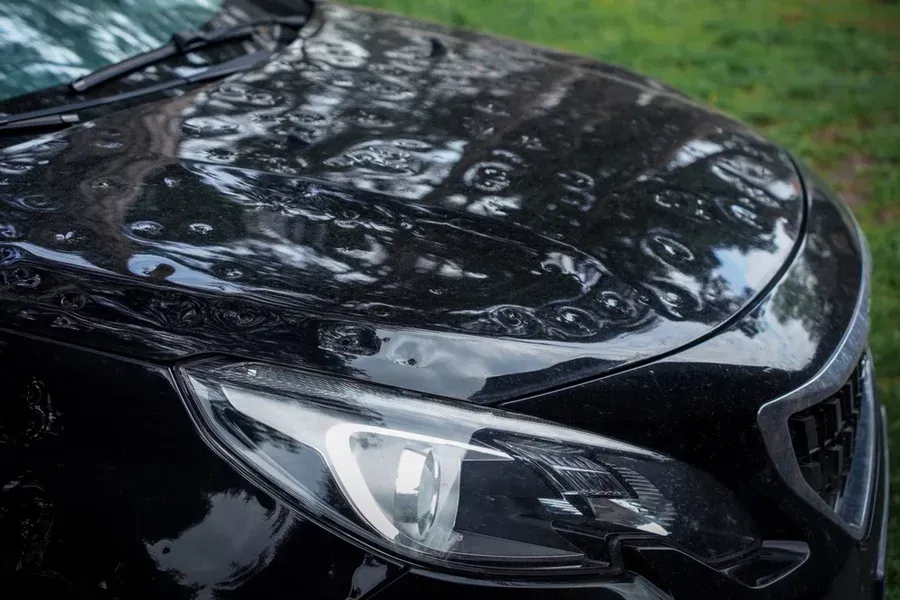
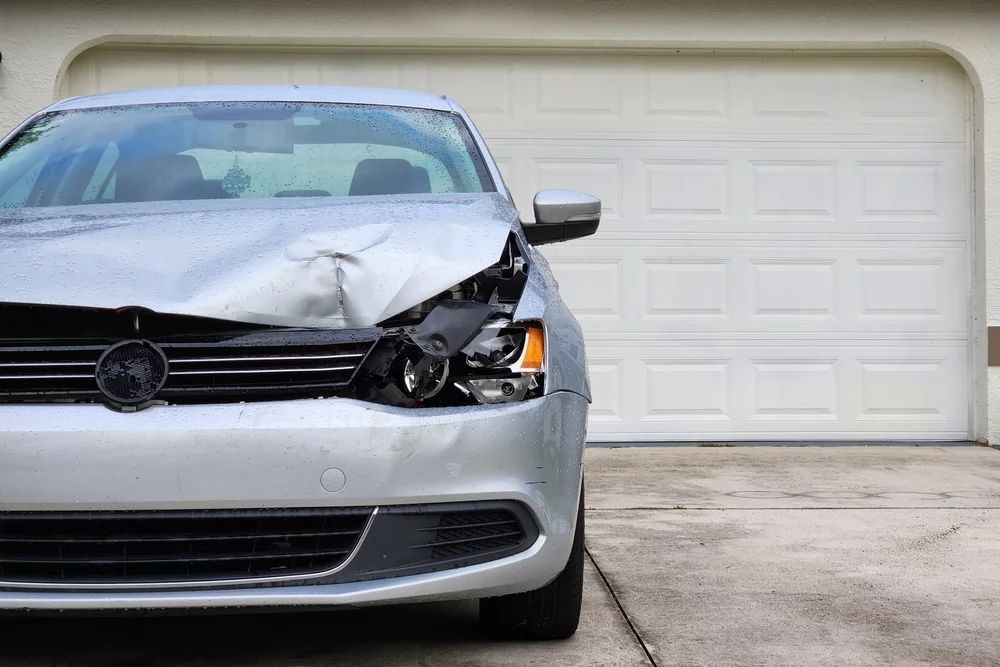
There’s great news. You’ve got control over most of that number. Small dents, dings, and scuffs are the most common triggers for extra fees. Almost all of them are fixable before you hand over the keys.
Figure out how to prepare your car for a lease inspection before appointment day, so you don’t have to argue with a number you might not be able to pay.
What Are They Looking for During a Car Lease Return Inspection?
First, if you’ve never heard of it, a car lease return inspection checks your vehicle against a wear-and-tear standard written into your original contract.
An inspector walks the exterior, checks the interior, and measures mileage against your allowance. Anything beyond “normal wear” gets flagged. Flagged items turn into charges on your final bills.
Leasing companies generally use something called the credit card test. If a dent or scratch is smaller than a standard credit card and the paint isn’t broken, it passes for normal wear. Anything bigger gets you billed at the leasing company’s rate and that rate is almost never a bargain compared to fixing it yourself.

Why Do Dents Cost So Much At Least Return?
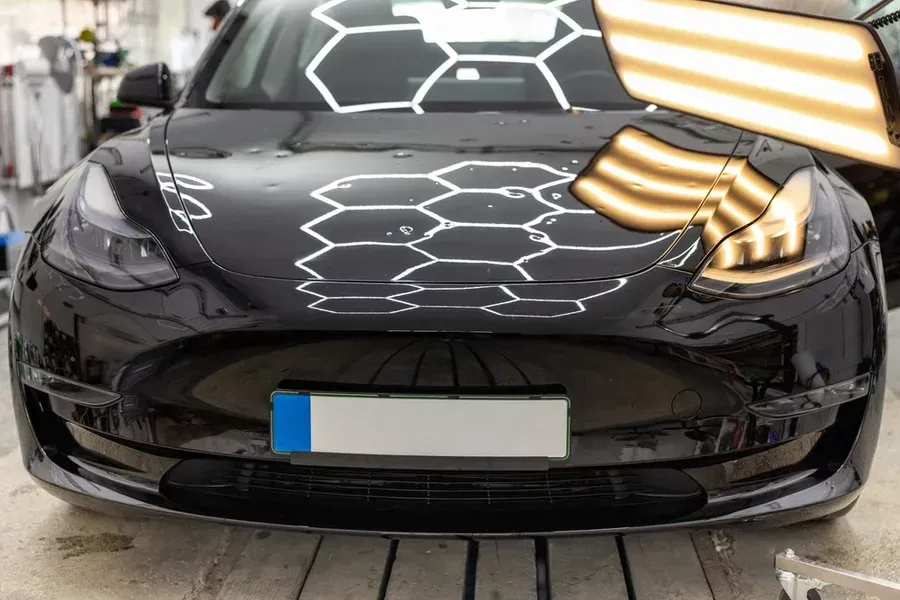
Leasing companies’ price wear-and-tear damaging using dealer labor rates, not independent shop rates. The effect is a bill that can run two to three times higher than what a paintless dent repair shop would charge for the same ding. Paintless dent repair, often shortened to PDR, is a technique where a technician massages a dent back into shape from behind the panel without repainting it.
A dent the size of a quarter might cost you $150 to $300 on a lease return bill. That same dent often runs $75 to $150 through PDR, and your factory paint never gets touched. Multiply that gap across three or four dents scattered around your hood, doors, and trunk, and you're looking at real money left on the table if you skip the repair step.
How to Prepare Your Leased Car for Return
Thankfully, preparing your leased car for return isn’t complicated. It does, however, take some lead time. Start the process 60 to 90 days before your scheduled turn-in date. It’s a window that gives you enough time to schedule repairs, get quotes, and still make your appointment on time without rushing.
1. Read Your Lease Agreement Thoroughly First
Your specific wear-and-tear terms live in your contract, not in a general online guide. Some lessors allow one small dent per panel. Others hold a stricter line. Pull your agreement and find the exact language before you assume anything about what will or won't get flagged.
2. Schedule a Pre-Return Inspection
Many leasing companies offer a free pre-inspection 60 to 90 days before your return date. An inspector walks your vehicle and hands you a report listing exactly what needs attention. This step removes the guesswork, because you're no longer estimating what an inspector might flag. You already know.
3. Walk Your Own Panel-by-Panel Check
Even without a scheduled pre-inspection, you can run your own version. Check your vehicle in direct sunlight at a low angle, since flat overhead light hides shallow dents. Run your palm across the hood, doors, and trunk lid. Your hand picks up small dips your eyes might skip over, especially on darker paint colors.
4. Fix What Exceeds the Threshold
Once you know which dents pass the credit-card test and which don't, get repair quotes for the ones that fail it. A quick,
targeted repair on two or three problem panels usually costs far less than what those same dents would cost as line items on your final invoice.
What’s a good Car Inspection Checklist to Use?
Use this quick car lease return inspection checklist to organize your walkthrough before your scheduled appointment:
- Check the hood, roof, and trunk lid for dents larger than a credit card
- Inspect doors and fenders for door dings and parking lot damage
- Look at bumpers for scuffs, cracks, or exposed plastic
- Check the windshield for chips larger than a dime or cracks over two inches
- Verify tread depth meets the minimum requirement on all four tires
- Confirm all original equipment is present, including floor mats, cargo covers, and spare tire tools
- Photograph every panel before and after any repairs
Keep your receipts for any repair work you complete. If a dispute comes up during your final bill, documentation backs you up.
What Do You Do the Day You Return Your Vehicle?
Bring your repair receipts and before-and-after photos with you to the return appointment. If an inspector flags a panel you already had fixed, your documentation ends the conversation fast instead of turning into a back-and-forth.
Ask for a copy of the final inspection report before you leave the lot. Some lessors mail this to you weeks later, and by then you've lost your best chance to dispute a charge in person. Reading it on the spot lets you point to a specific line item while the inspector is still standing next to your car.
If a charge appears for damage you're certain you repaired, request a second inspection before you sign off. Leasing companies aren't always right on the first pass, and a technician can misjudge a repaired panel as untouched, especially under poor lighting in a service bay. Standing your ground here costs you nothing but a few extra minutes.
Don't Let Small Dents Turn Into a Big Bill
A vehicle lease return doesn't have to end with a bill full of charges you didn't see coming when you know how to prepare your car for lease return without incurring excess charges.
The dents sitting on your car right now are the easiest part of your prep to control, and fixing them ahead of time almost always costs less than paying the leasing company's rate for the same damage.
You've got the checklist. You know the timeline. Now's the time to get those dents handled before an inspector writes them up for you instead.
Get a free estimate to fix your dents before your lease return inspection, and turn in your vehicle with confidence instead of guesswork
Related Articles