DIY Car Washes: How to Wash a Car Without Scratching It
TL;DR: Washing your car at home can save you money and give better results than the automatic car wash, but only if you do it right. Using the wrong tools or technique can leave swirl marks and scratches that are tough to fix. The two-bucket method, microfiber mitts, and pH-neutral soap are the keys to a safe, scratch-free wash.
- Use two buckets (one for soap, one for rinsing)
- Always go with a microfiber wash mitt over a sponge
- Pick a pH-neutral, automotive-specific soap
- Wash in straight lines, not circles, to minimize visible swirl marks
- Dry with a clean microfiber towel to avoid water spots
If you've ever wondered whether automatic car washes scratch your car, the answer is yes, they can. The brushes and recycled wash water in many drive-through systems can drag dirt across your paint and leave behind fine scratches that build up over time. A proper DIY car wash gives you complete control over the process and protects your vehicle's finish if you do it the right way.
How to Wash a Car Without Scratching It
The biggest mistake most people make is grabbing whatever sponge is in the garage and going to town. That's how you end up with swirl marks. Here's how to wash a car without scratching it the right way.
Start by rinsing your vehicle thoroughly with a hose to knock off as much loose dirt and debris as possible before any contact. Skipping this step is the fastest way to grind grit into your paint with your wash mitt. Once the car is rinsed, work in sections from top to bottom, since the lower panels are always the dirtiest.
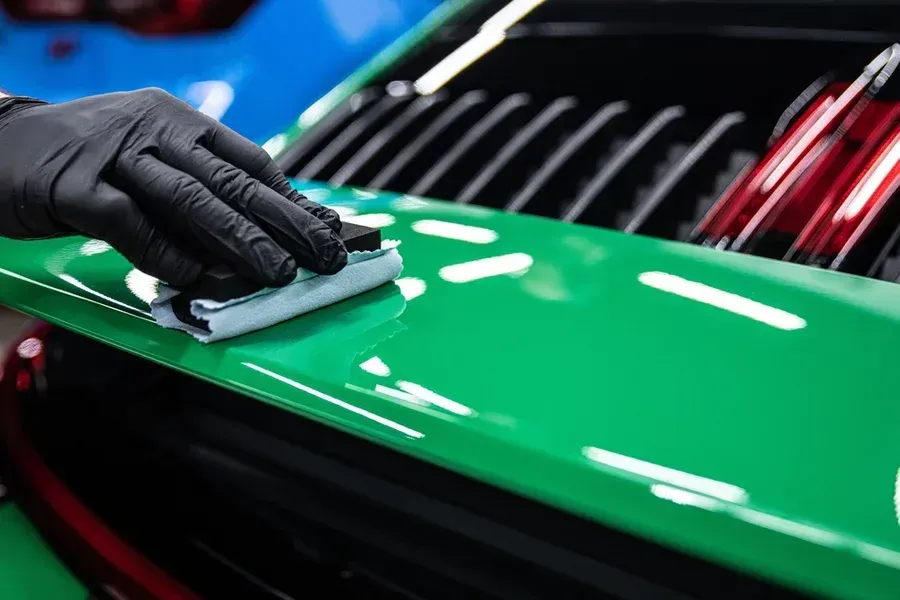
Use long, straight strokes rather than circular motions, because any scratches you create in straight lines will be far less visible than swirl marks. Our paint protection film can also help prevent swirl marks on your car.
Always work in the shade when possible. Direct sunlight causes soap and water to dry too quickly, leaving streaks and water spots that are a pain to remove later.
The Two Bucket Car Wash Method
The two bucket car wash method is the gold standard for DIY car care, and it's surprisingly simple. Here's how it works:
- Bucket 1: Fill with clean water and your car wash soap
- Bucket 2: Fill with clean water only (this is your rinse bucket)
After you wipe a section of your car with the soapy mitt, dunk the mitt in the rinse bucket first to remove the dirt you just collected. Then dip it back into the soap bucket for the next section. This keeps you from reintroducing grit and debris back onto your paint, which is the main cause of scratches during a hand wash.
Adding a grit guard to the bottom of each bucket makes this even more effective. The guard traps debris at the bottom and prevents it from getting picked back up by your mitt.
Frequently Asked Questions
What's the best soap for DIY car washes?
When it comes to what type of soap to wash a car with, always use a pH-neutral soap specifically designed for automotive use. Dish soap and household cleaners strip away your car's protective wax and clear coat over time, which leads to faded paint and oxidation. Brands like Chemical Guys, Meguiar's, and Adam's all make excellent options.
Should I use a sponge or microfiber mitt?
Always go with a microfiber mitt. Sponges trap dirt particles in their flat surface and drag them across your paint, which causes scratches. Microfiber mitts have deep fibers that pull dirt away from the paint surface and hold it until you rinse, dramatically reducing the risk of scratches.
Do car washes scratch your car?
Automatic car washes with brushes can absolutely scratch your car, especially older systems that don't replace their brushes regularly. Touchless car washes are gentler but rely on harsh chemicals that can damage your wax and clear coat over time. A proper hand wash at home is the safest option for your paint.
Can improper washing ruin paint?
Yes. Using dirty wash media, harsh soaps, or abrasive tools can create permanent swirl marks, scratches, and clear coat damage that require professional buffing or repainting to fix. The good news is that following proper technique prevents almost all of these issues.
Final Thoughts
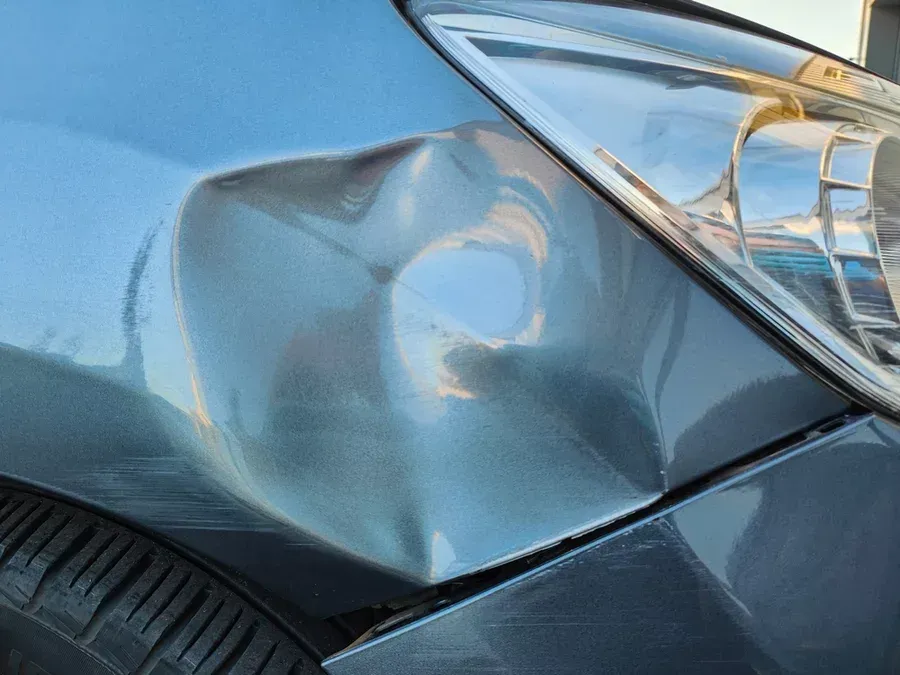
A clean car is one thing, but a properly washed car that holds its finish for years is another. Take the extra few minutes to do it right and your paint will thank you. If you're already dealing with scratches, scuffs, or other minor cosmetic issues that no amount of careful washing can fix, professional help is your best bet.
Address minor cosmetic issues with Smart Repairs by Dent Clinic.
Related Articles