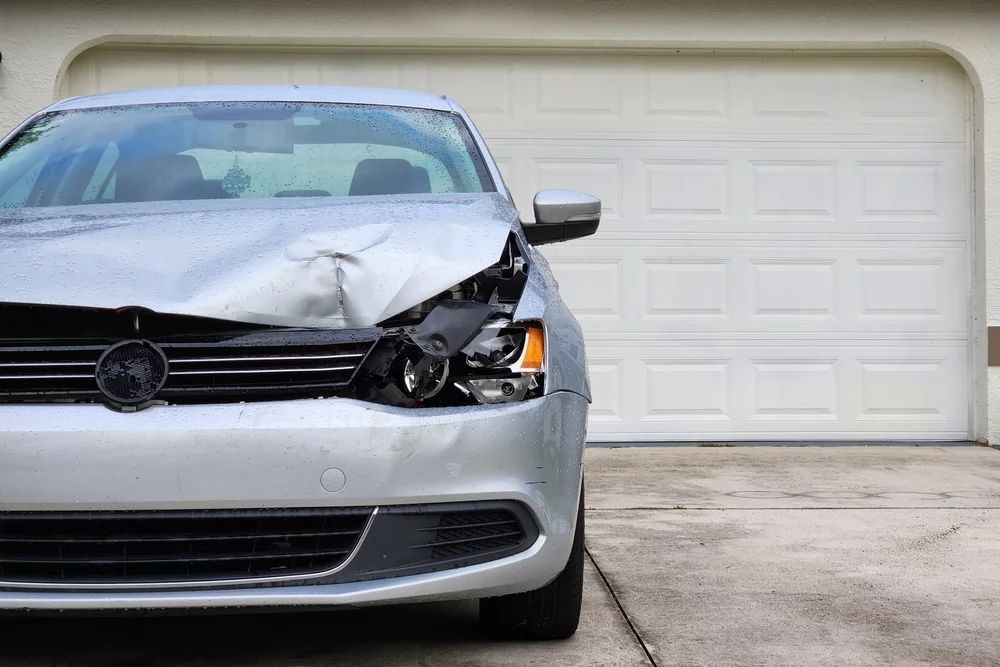
Supplemental Hail Damage Estimates Explained: Dent by Dent
TL;DR: A supplemental hail damage estimate helps you get insurer approval for damage missed during the first inspection while understanding repair costs, payouts, deductibles, and whether filing a claim makes financial sense.
- A supplemental estimate covers hail damage that technicians find after the insurer’s original inspection, with the shop documenting the additional damage for approval.
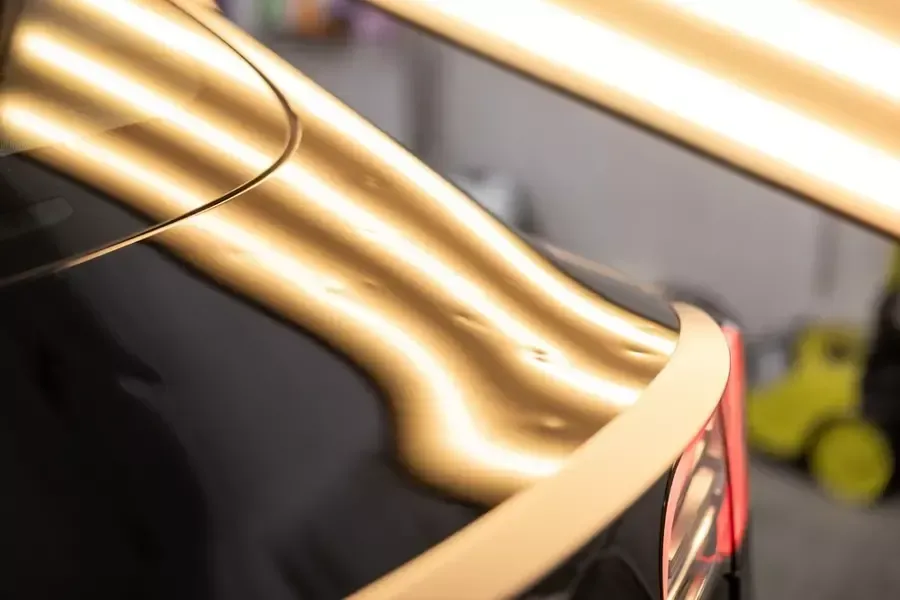
- Specialized PDR lighting can reveal dents that adjusters miss during outdoor or parking-lot inspections, which is why the final repair estimate may be higher.
- Typical hail claim payouts can range from roughly $4,300 to $5,000, while severe damage can reach $10,000 or more and may result in a total loss.
- Filing a claim generally makes the most financial sense when repair costs exceed your deductible by a meaningful amount; multiple comprehensive claims can still affect future premiums.
- Photos taken soon after the storm and a professional repair estimate can help establish when the damage occurred and support your insurance claim.
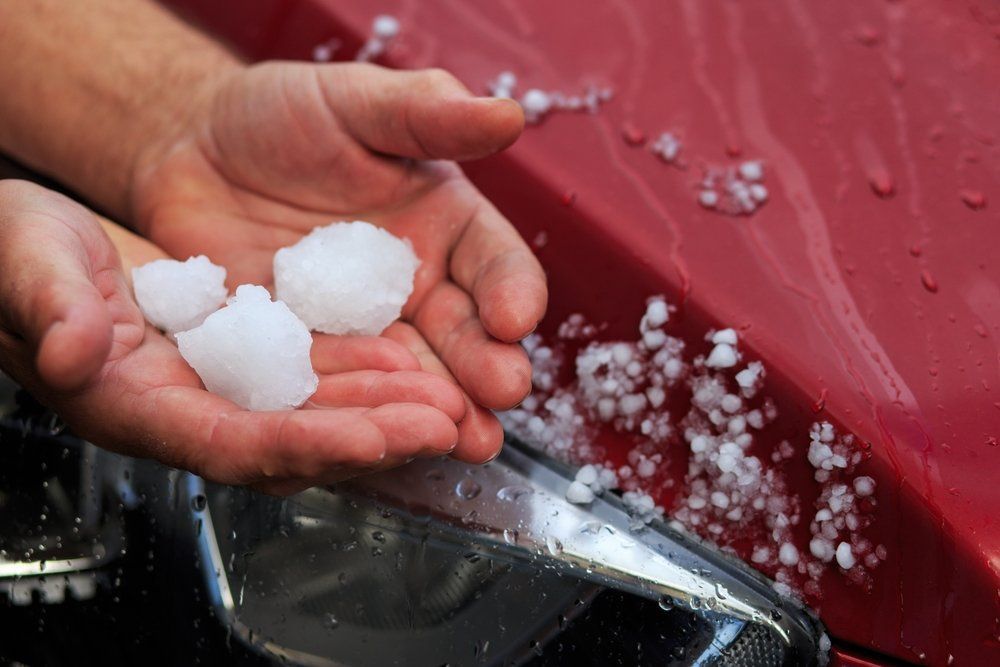
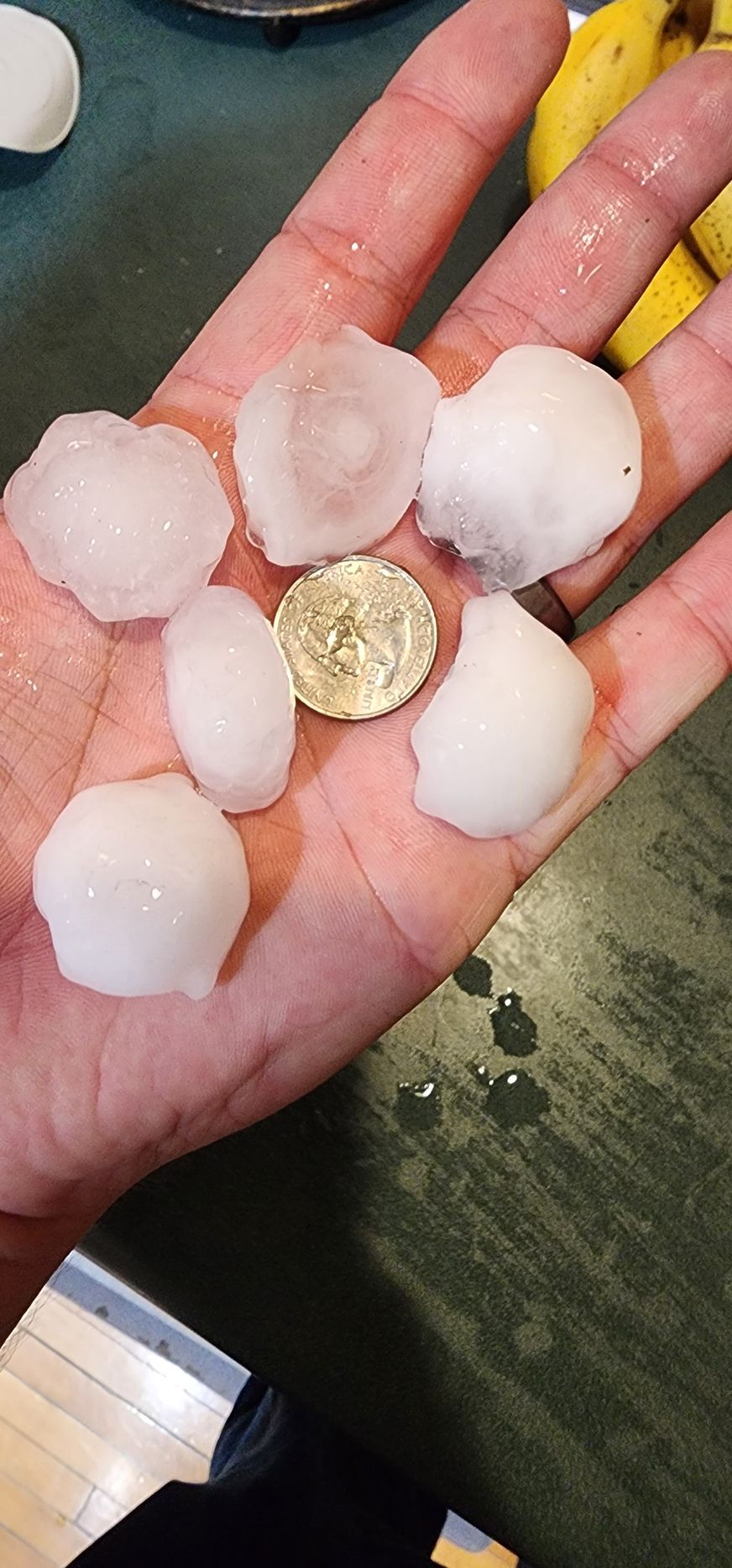
Your car’s hood looks like you left it parked on a course to be attacked by golf balls, and you just got your insurance estimate back after the hailstorm. It feels off.
Maybe the numbers seem too low. Maybe your body shop bombarded you with a lot of big words you’ve never heard before, and fast, and you only caught one: supplemental.
Confused about what it means? Our team’s got you. Most drivers deal with a supplemental hail damage estimate only once or twice in their lives, and the process often isn't explained well.
What Is a Supplemental Hail Damage Estimate Anyway?
In brief, supplemental hail damage estimates are an updated repair estimate that accounts for damage the original inspection missed. Don’t worry, it’s not a red flag, and it doesn’t mean your claim is in trouble. It’s just one of the very common steps in the hail repair process. Learning how it works can save you from paying out of pocket for damage your insurer should be covering.
Why Doesn’t the First Estimate Find Everything?
Hail damage hides. That's the blunt truth of it. Small dents on a hood or roof can disappear under regular lighting, only to show up under specialized PDR lights, which technicians use to spot dents by their reflection. Your adjuster's first inspection usually happens outdoors or in a parking lot, and that setup isn't built for catching every dent.
Once your vehicle gets into a repair bay with proper lighting, technicians often find dents the original estimate never counted. That's the specific cause. The specific effect is a bigger repair scope than the paperwork first showed. When that gap exists, the shop writes a supplemental estimate and sends it to your insurer with photos to back it up.
This is why your final repair bill can differ from your initial estimate. It's also why picking a shop that understands the supplement process matters. A shop with real hail repair experience knows how to document additional damage properly, so your insurer approves the extra funds instead of pushing back.
What's the Average Payout for Hail Damage?
Numbers vary by storm, vehicle, and region, but industry data gives you a useful baseline. State Farm has reported an average auto hail damage estimate payout around $5,000 per vehicle, and other insurers report figures in the $4,300 to $5,000 range for a typical claim Minor damage might land closer to $2,500, while severe hail events pushing into the $10,000 range can total a vehicle out entirely
Your actual payout depends on a few specific factors. The number and size of the dents drive labor time. The panels affected change whether PDR works or a full panel replacement becomes necessary. Your deductible also plays a role, since insurers typically cover repair costs above that amount, up to your vehicle's actual cash value If your estimate lands close to your deductible, filing a claim might not make financial sense.
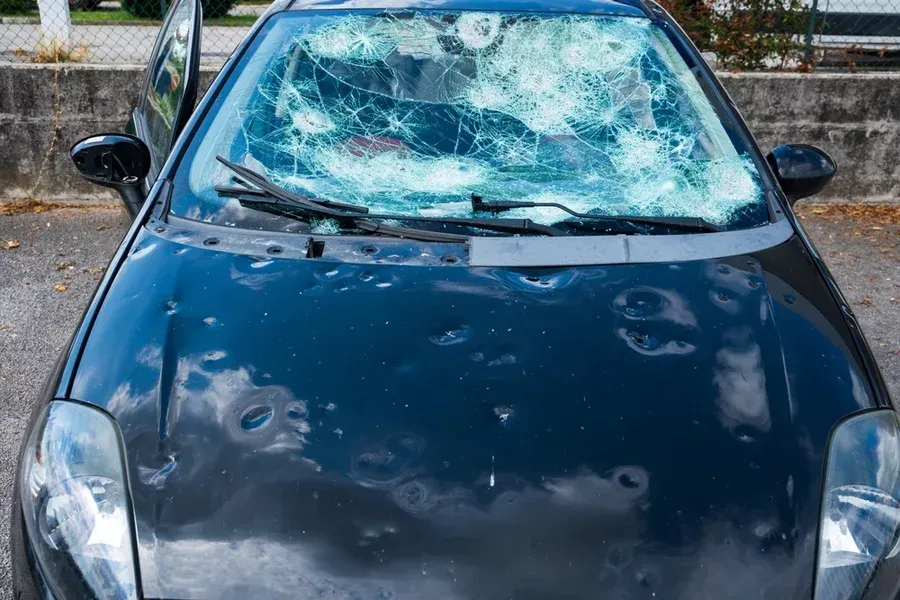
Can Adjusters Tell How Old Hail Damage Is?
Sometimes, yes. It depends heavily on whether the dents damaged the paint. If there's no paint damage, hail dents tend to look the same whether they're a week old or a year old, which makes dating them difficult for anyone, including a trained adjuster. That's the specific cause behind why age often can't be pinned down with certainty.
The specific effect shows up when paint damage exists. Cracked or chipped paint develops signs of exposure over time, like rust or fading, and an experienced adjuster can use those clues to estimate a rough timeline. If an adjuster suspects you're claiming older, unrelated damage as part of a recent storm, they can escalate the claim for investigation, comparing your damage pattern against verified local storm data.
This is exactly why documentation matters. Photos taken shortly after a storm, paired with a professional hail damage repair estimate, give your claim a clear timestamp that protects you if questions come up later.
Does Claiming Hail Damage Raise Your Insurance Rates?
This one has a nuanced answer. Filing a single comprehensive claim for storm damage, which is what hail falls under, usually doesn't cause an automatic rate hike the way an at-fault accident claim would. Insurers generally treat weather events as outside your control.
That said, your rate can still climb for reasons tied to the claim indirectly. If you file multiple comprehensive claims within a few years, insurers may view you as higher risk and adjust your premium at renewal. Living in a hail-prone region can also push your comprehensive coverage rate up over time, regardless of whether you filed a claim, since insurers price risk by area, not just individual history
Is It Worth Claiming Hail Damage on Insurance?
For most drivers, yes, especially when repair costs exceed the deductible by a meaningful margin. If your auto hail damage estimate calculator or shop quote comes in well above what you'd pay out of pocket, filing the claim usually puts you ahead financially. If the estimate barely tops your deductible, you're often better off covering the hail damage car repair estimate yourself and keeping your claims history clean.
Run the math before deciding. Compare your deductible against the estimated repair cost, factor in how many comprehensive claims you've filed recently, and weigh that against the impact on your vehicle's resale value. Dents you ignore now get more expensive to fix later, since paint damage and rust can develop around neglected dents.
We Know Getting an Accurate Estimate Matters to You
A rushed inspection sets your claim up for frustration. When you estimate hail damage repair costs using a shop that only counts what's visible in bad lighting, you risk fighting for a supplement later, or worse, walking away with dents your insurer never approved funding for.
Dent Clinic has spent years helping drivers navigate this process, from the first inspection through the final supplement approval. If you're staring at a low estimate and wondering whether it tells the full story, don't guess. Get your vehicle inspected properly, get a real hail damage repair estimate built on solid documentation, and find out what your supplemental hail damage estimate should actually look like.
Reach out to Dent Clinic today and let a team that knows hail repair inside and out fight for the estimate your vehicle deserves.
Related Articles