Your Guide to Hail Damage Car Insurance Claims in Wisconsin
TL;DR: A hail damage claim is easiest to manage when you document every dent, report it quickly, compare estimates, and understand your payout before accepting it.
- Report the hail damage within 24 hours to 30 days, depending on your policy.
- You generally have one year from the damage date to pursue a disputed auto body damage claim.
- Take clear, timestamped photos of every damaged panel before repairs begin.
- Save your policy number, claim number, storm date, repair estimate, and adjuster’s estimate.
- Your insurer may send an adjuster to you or direct you to a repair shop.
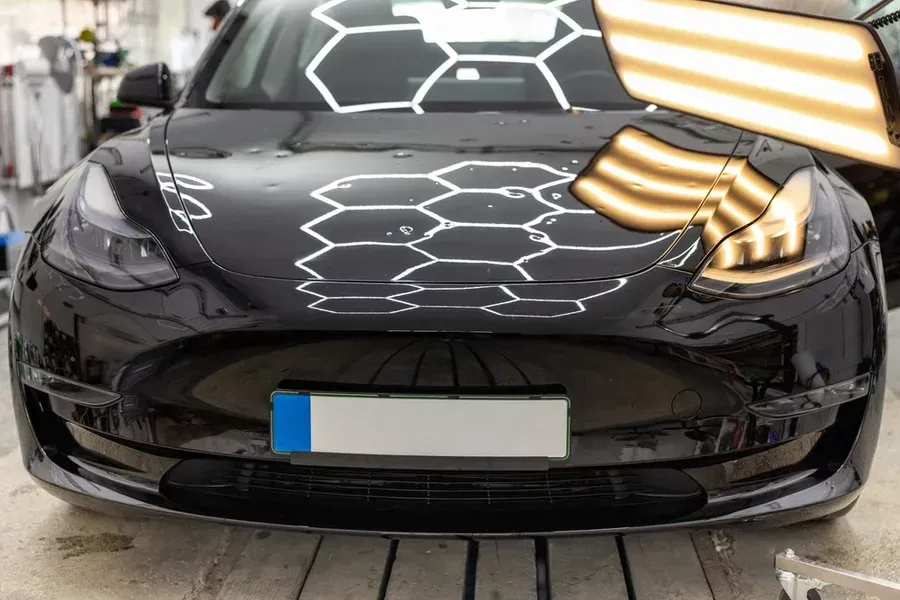
- Get a hail-specialist estimate. Indoor LED lighting can reveal dents missed during an outdoor inspection.
- Repair payouts cover approved repairs minus your deductible. A total-loss payout uses your vehicle’s depreciated cash value.
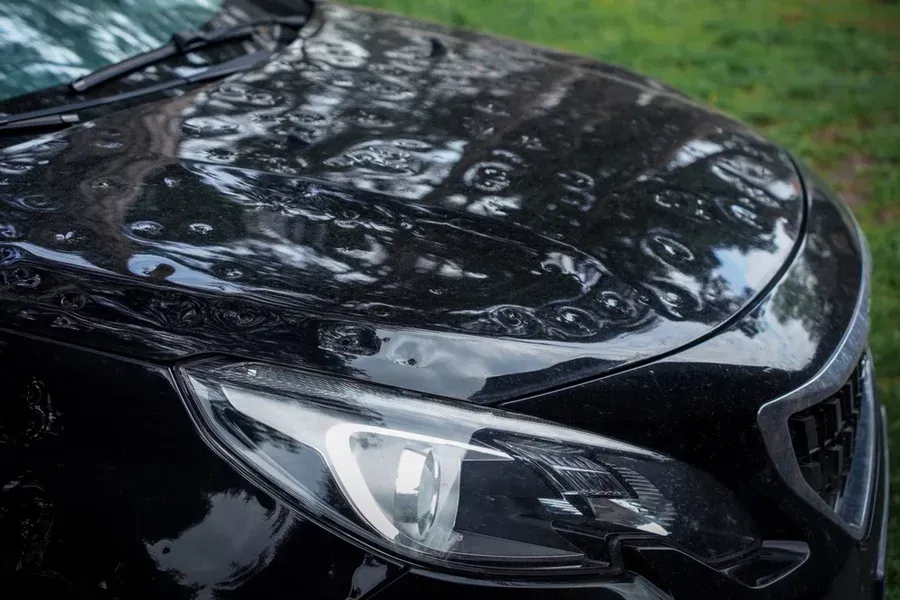
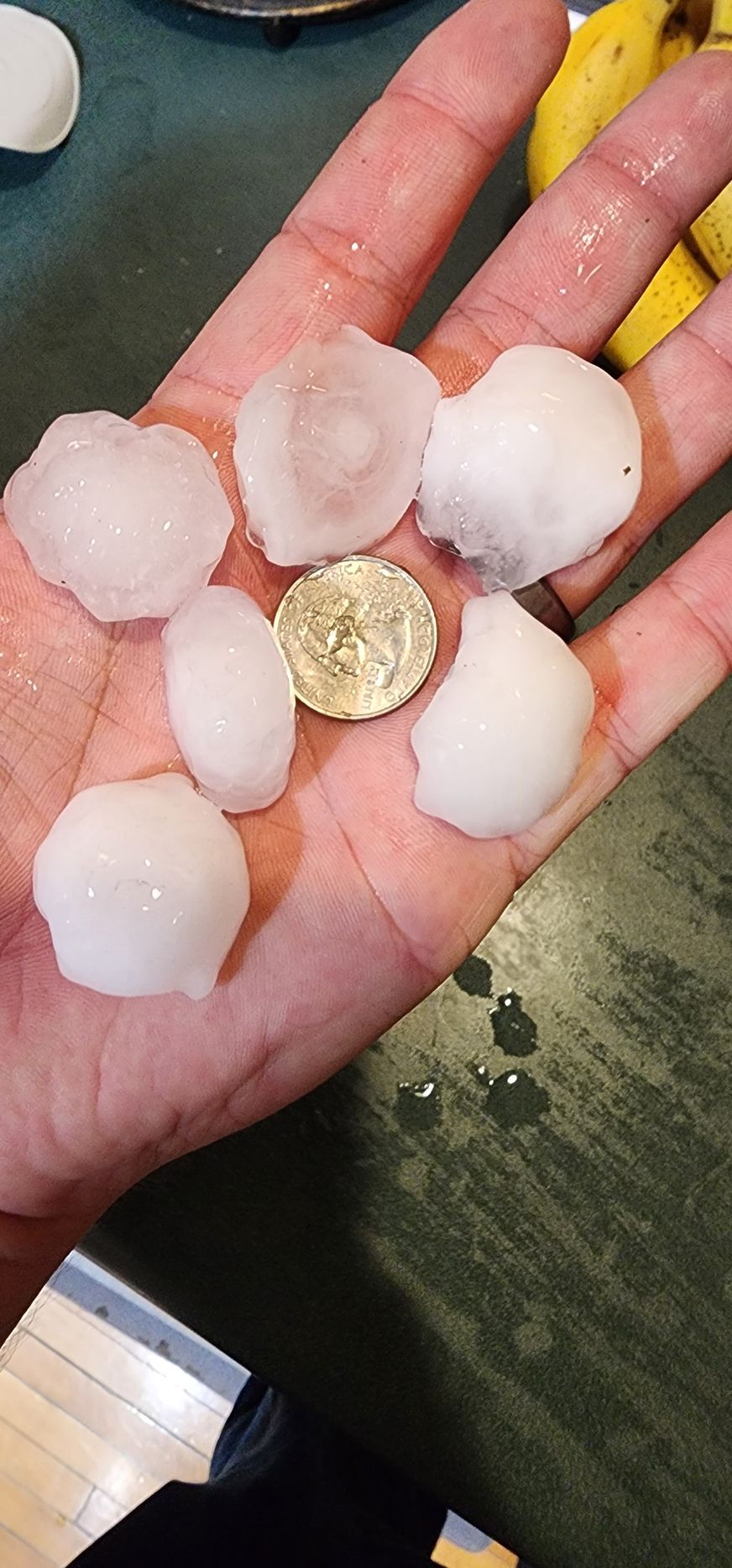
Your car came through last night’s vicious storm. Yet, when you check in the morning, you’re pretty sure a rogue band of hockey players used your car instead of a net to practice stick handling. Apparently with a few hundred pucks.
Now you’re staring blankly and thinking: Should I claim hail damage on my car? Do I even want to bother?
A hail damage car insurance claim isn’t complicated, but, for some reason, almost nobody explains the clear steps to take before you need them. Here’s what we at Dent Clinic want you to know before you pick up a phone.
How Do I Know If It’s Damaged Enough to Claim Hail Damage on Your Car?
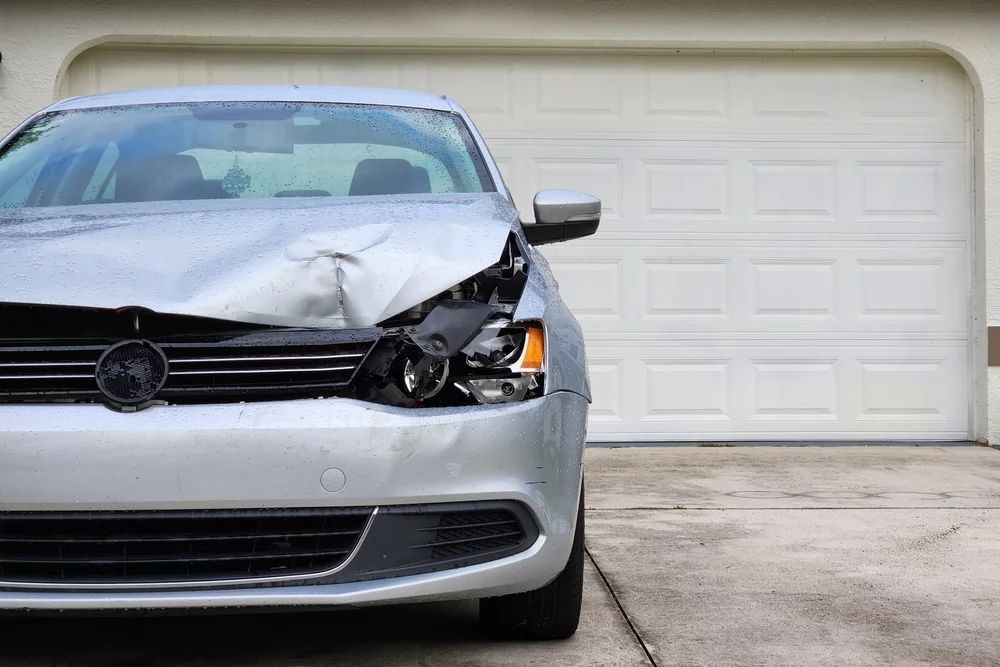
A single shallow dent, say, one stray hailstone that maybe causes $50-$100 to fix isn’t worth a claim; your entire vehicle’s hood and roof full of what looks like hail pockmarks (damage that possibly runs into the thousands) is.
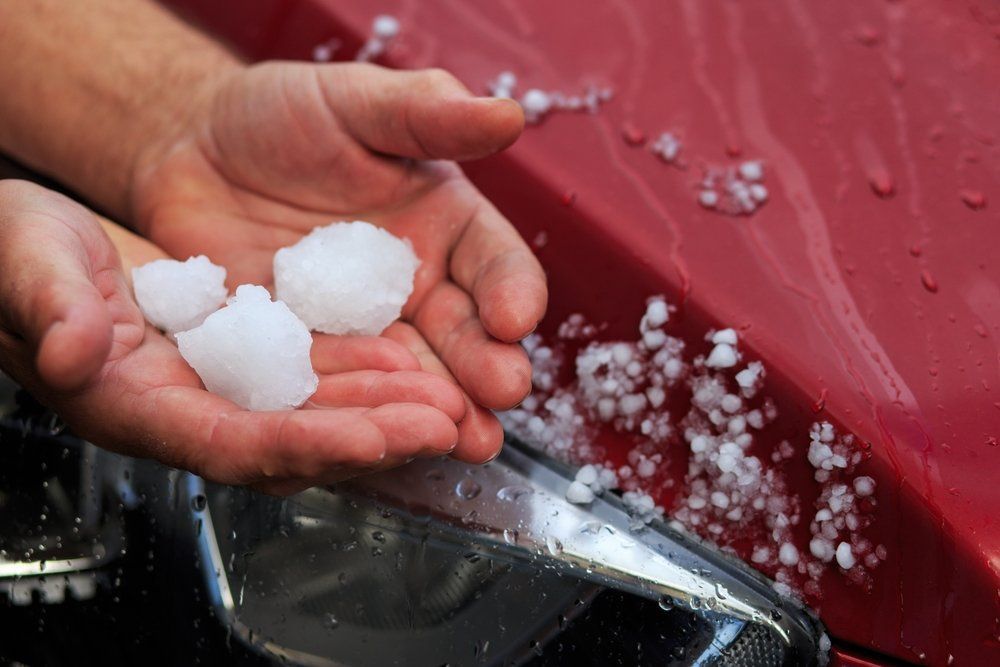
When the damage is unmistakable and over large areas, file a claim. Hail falls under comprehensive coverage, the part of your policy built for weather events and other non-collision losses. Storms aren’t your fault, so insurers typically don’t treat a hail storm damage car insurance claim like an at-fault accident.
Your rate should stay put after a single comprehensive claim. Filing several comprehensive claims in a short span could nudge your premium at renewal. Weigh how many claims you may already have beforehand.
If you do have to skip the claim, don’t skip the repair. Any major dents or dings left unfixed trap moisture against your vehicle's clear coat. That leads to cracked paint or rust around the impact point. Ignoring it today could turn into heavy-duty, expensive bodywork a year from now.
How to Claim Hail Damage for Auto Insurance?
Filing follows a specific order.
- Photograph every panel before you or anyone else touches the car (if possible). Take a wide shot of each section, then close-ups of individual dents. Try your best to take photos in bright light and in focus.
- Call your insurer or file through their app. You’ll get a claim number, and that’s essential. It’s needed for every conversation going forward. Keep that policy number, storm date, and photos handy.
- Your insurer schedules an inspection, either sending someone out or directing you to an approved shop. The inspection sets the scope of damage and your first payout number.
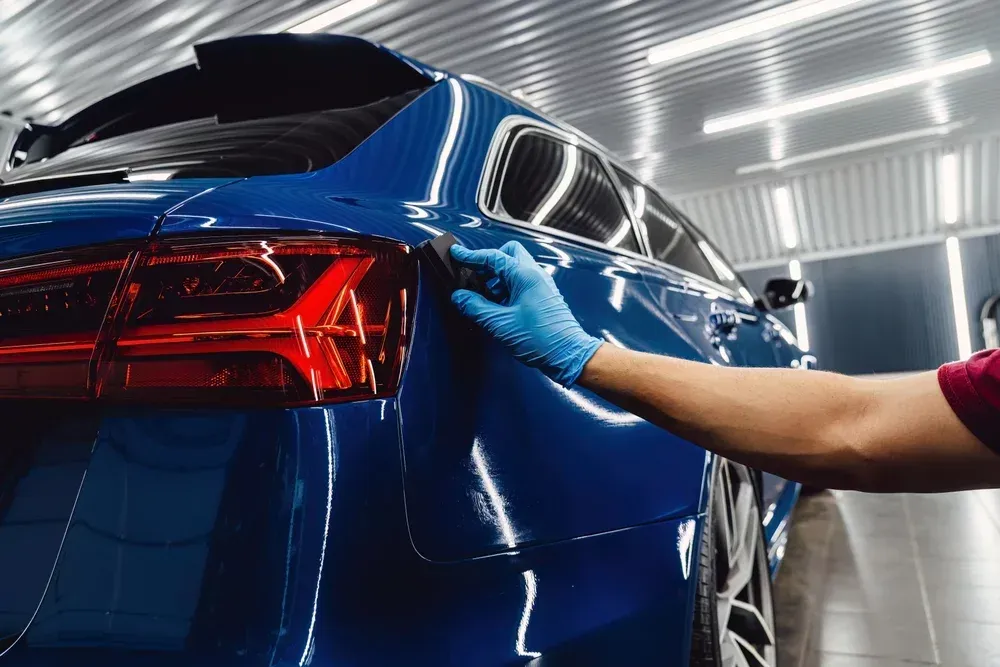
- Get a separate estimate from a shop that specializes in hail. Yes, even after the adjuster’s already looked at your car. Proper, professional LED lighting catches more dents than outdoor lighting and the human eye can.
How Long After Hail Damage Can You Claim?
You’ve got two clocks, and they run at once. Knowing about both will be how you avoid missing a claim before the deadline.
1. Your Policy’s Notice Requirement
Most (we can’t speak for all) insurers expect you to report a loss as soon as you reasonably discover it. Wait too long, and your insurer may begin to question your entire timeline. The common window is between 24 hours and 30 days in several policies.
2. How Long Do You Have to File a Hail Claim? What’s the Max Deadline?
For auto body damage (including hail) your deadline is 1 year from the date of the damage.
Does Insurance Always Send an Adjuster?
That’s something we can’t answer for every insurance. In most cases, yes. Some companies will send someone straight to your driveway; others will route you straight to a repair shop.
Why a Second Opinion? Isn’t that Added Expense?
Let’s put it this way: do you want to pay a little more now, or pay a lot more (due to moisture and rust) later to fix more complex exposure issues because something was missed?
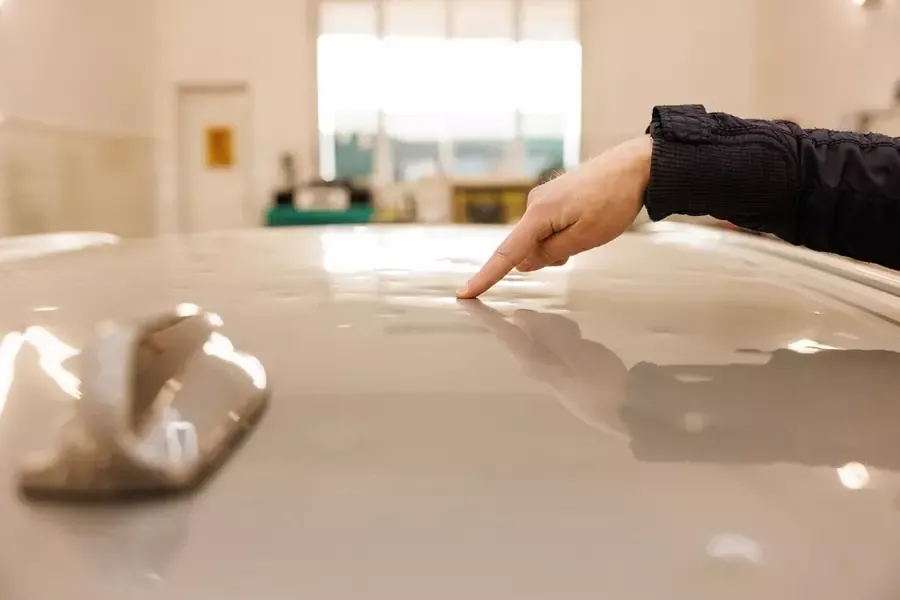
Adjusters tend to inspect vehicles outside in flat daylight. That hides shallow dents almost completely. Under specialty, low-angle LED lighting from a hail repair shop indoors they become obvious. That’s why we recommend a second opinion.
What’s the Full Documentation You Need to Have?
Here’s what you need to document on the day you file:
- Timestamped, clear, in-focus photos of every damaged panel from as many angles as possible
- The date of the storm and damage
- Your policy number and claim
- A written repair estimate from a body shop
- Any estimate or damage summary the adjuster provides you
- Receipts for all related expenses your policy might cover
We recommend making a simple running list of which panels show damage, and how many dents are on each.
What’s the Difference Between Cash Value and Repair Cost Payouts?
It’s confusing, isn’t it?
Actual Cash Value:
Actual cash value (often abbreviated to ACV) factors in depreciation (that’s the gradual decrease in the value of your vehicle as you own it over the years and accumulate wear-and-tear). Your insurer pays what your vehicle is worth right now, age and mileage included, not what a repair would have cost right after driving it out of the lot.
Older cars with a lot of mileage, sadly, see a smaller ACV than newer ones.
Repair Cost Payouts:
This skips depreciation entirely. Your insurer covers what it costs to fix the damage (up to policy limits) minus your deductible. Many hail claims settle this way. Your vehicle isn’t totaled, so it can be restored through paintless dent repair or panel work.
What Happens if the Hail Damage is Severe?
Everything changes. If the repair costs approach or exceed what you’re vehicles ACV is, your insurer will likely declare a total loss instead.
Minor and moderate gets the repair-cost treatment. Only the worst storms push payouts toward a cash settlement based on depreciated worth.
Dent Clinic Detail: Get your own repair estimate before signing off on anything the insurer gives you. Compare that against the insurer’s because that gives you needed leverage if they don’t match.
Don’t Let Hidden Dents Become an Unexpected Bill Later
A hail storm damage car insurance claim moves faster, and pays more fairly, when the inspection catches everything the first time.
We’re expert technicians who work hail season on Brookfield-area vehicles and we know exactly where storms hide damage. We document panel by panel, under lighting a driveway walk-around can't replicate. Our meticulous documentation becomes the backbone of your claim.
A hail damage car insurance claim doesn't have to be a guessing game once you know the sequence. Report the damage promptly, document everything before repairs start, and get an estimate that matches what your insurer owes.
Don’t wait now and have to pay later.
Get a free hail damage inspection from our Wisconsin experts!
Related Articles