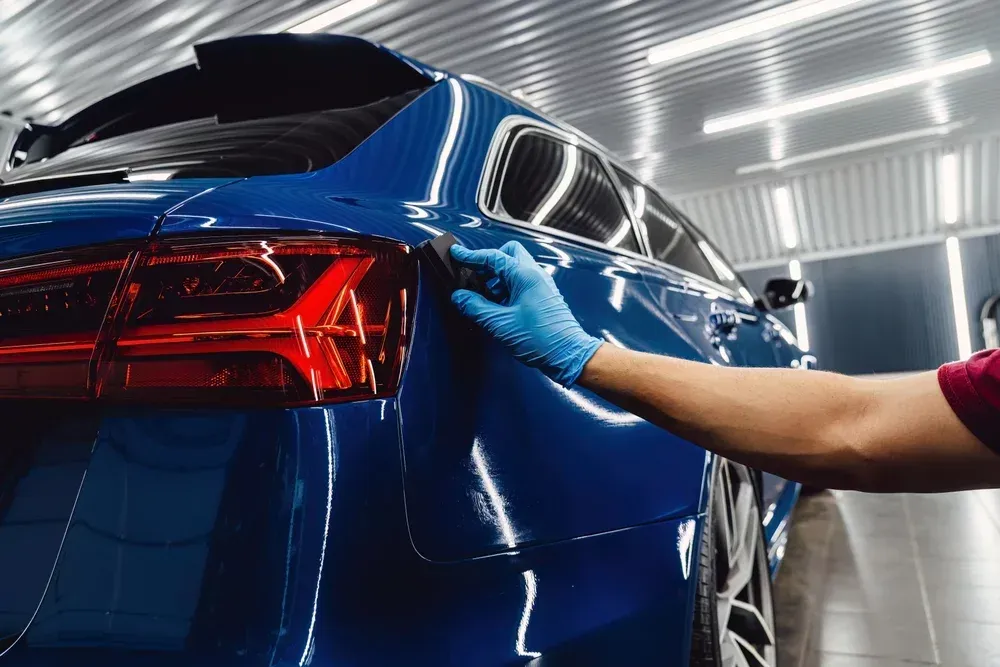
OEM vs Aftermarket Car Parts Explained
TL;DR: When choosing OEM vs. aftermarket parts, you should weigh cost, quality, warranty coverage, and resale value while considering whether your repair requires a replacement part at all.
- OEM parts match your vehicle’s original specifications, while aftermarket parts come from independent manufacturers and can vary widely in quality.
- OEM parts usually cost more, but high-quality aftermarket parts can perform as well as or sometimes better than OEM options.
- Using an aftermarket part does not automatically void your vehicle warranty, though a manufacturer can deny a related claim if that part caused the failure.
- Aftermarket body parts may affect resale value more than mechanical parts, especially on newer, luxury, or higher-value vehicles.
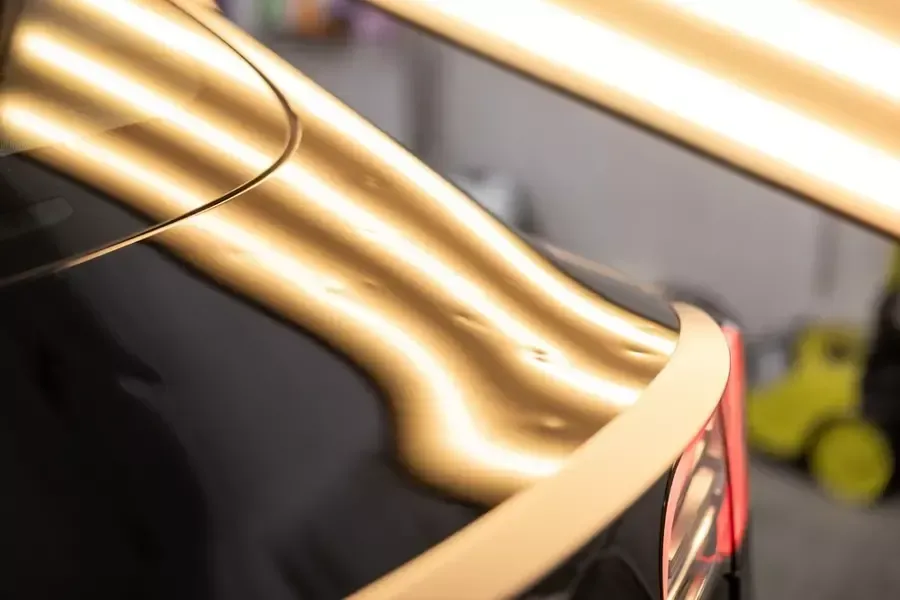
- Paintless Dent Repair can eliminate the parts decision entirely by restoring the original factory panel instead of replacing it.
OEM vs. aftermarket: which one do I choose?
The question pops up as you’re staring at a repair estimate. What exactly does the note, “aftermarket part instead of OEM,” on the estimate mean for you, your car, and your wallet?
This is one of our favorite questions to answer. Let’s get under the hood to understand car parts that are OEM vs. aftermarket to help give you everything you need to make the right call next time your vehicle needs a repair.
What Does OEM vs. Aftermarket Really Mean?
OEM stands for Original Equipment Manufacturer. These parts come from your vehicle's manufacturer, or from a company under contract with that manufacturer, built to the exact specs your car shipped with. When a dealership installs an OEM headlight, it's identical to the one your car rolled off the line with.
Aftermarket parts come from a different source. Independent companies design these parts to fit a wide range of vehicles, not just one model. They do the same job as the original, but a different company builds them.
Think of it like a spare key. An OEM key comes from the dealership and matches your ignition because it was made for your exact car. An aftermarket key comes from a hardware store and gets cut to fit. It usually works fine, but it wasn't made specifically for your vehicle.
Will Aftermarket Parts be as Good as OEM Parts?
The answer to this is incredibly nuanced.
Who manufactured the part? What materials were used? What’s the quality? What are people saying about them? Is the manufacturer known for high-quality aftermarket parts?
Some aftermarket parts
do work and perform as well as, occasionally, better than the OEM, while others fall short, and it all depends on multiple factors.
Reputable aftermarket brands engineer their products meticulously, and many meet or exceed OEM performance standards. For example, aftermarket brake pads or filters often fall into high-quality categories.
But aftermarket quality can’t be guaranteed. Quality swings widely from brand to brand. A cheap aftermarket bumper might not match the fit of the original, while a well-made one might be nearly indistinguishable.
Do aftermarket parts last as long as OEM? That also depends on the brand. Components built by major suppliers that also manufacture for automakers tend to last just as long. Others wear out faster because they're designed to hit a lower price point.
Are OEM Auto Parts More Expensive Than Aftermarket?
Yes, usually by a wide margin. OEM parts often cost 20% to 60% more than comparable aftermarket options, depending on the part and vehicle. That gap exists because OEM parts carry the manufacturer's brand and go through tighter quality control.
If you're paying out of pocket, that price difference matters. A cracked bumper cover can cost significantly more with an OEM version, and for older, depreciated vehicles, many owners decide the extra cost isn't worth it.
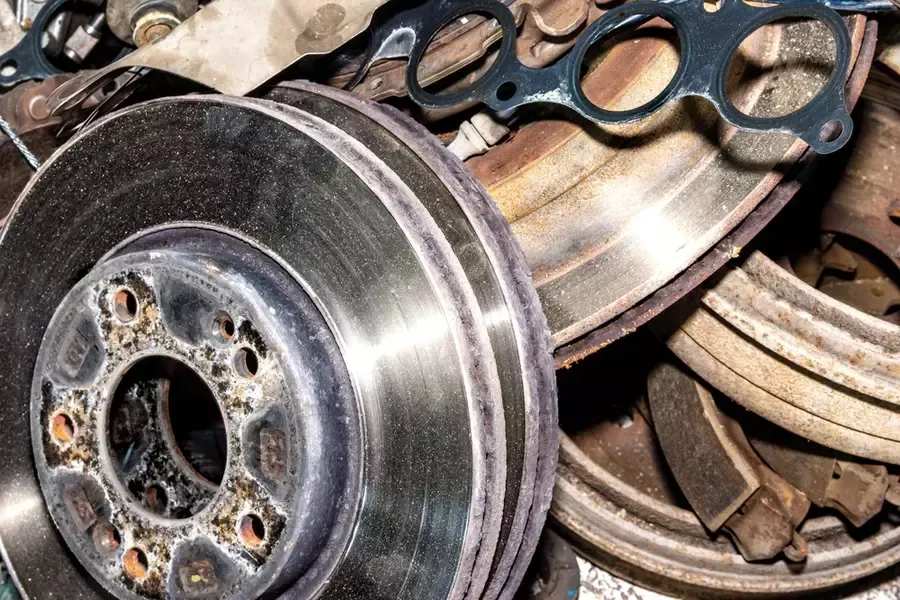
Does Insurance Require OEM Parts for Repairs?
In most states, no. Insurance companies can generally specify aftermarket parts unless your policy states otherwise or your state has consumer protection laws in place. Some states require insurers to disclose non-OEM parts, and a few require your written consent first.
If OEM parts matter to you, check your policy for an OEM parts endorsement. This add-on guarantees that covered repairs use manufacturer parts, though it usually raises your premium slightly. Several states also require OEM parts on newer cars under a certain age or mileage threshold.
Do Aftermarket Parts Affect Resale Value?
They can, depending on the part and the buyer. A used car shopper or dealership appraiser might ask about aftermarket body panels, especially on higher-end vehicles where buyers expect factory-original components. Documentation helps here, since showing the part was high quality and properly installed eases most concerns.
Mechanical aftermarket parts, like an alternator, rarely raise resale flags the way visible body parts do. Buyers care more about how your engine runs than whether it carries a factory label.
Does Using Aftermarket Parts Void Warranties?
No, not automatically. The Magnuson-Moss Warranty Act protects you here. This federal law makes it illegal for a manufacturer to void your entire warranty simply because you used an aftermarket or recycled part.
The law does allow one exception. If a manufacturer proves a particular part directly caused a failure, they can deny the claim tied to that issue, though your overall warranty stays intact.
You can generally use aftermarket parts for routine maintenance without worry. Keeping your receipts is still a smart habit.
Skip the Debate With Paintless Dent Repair
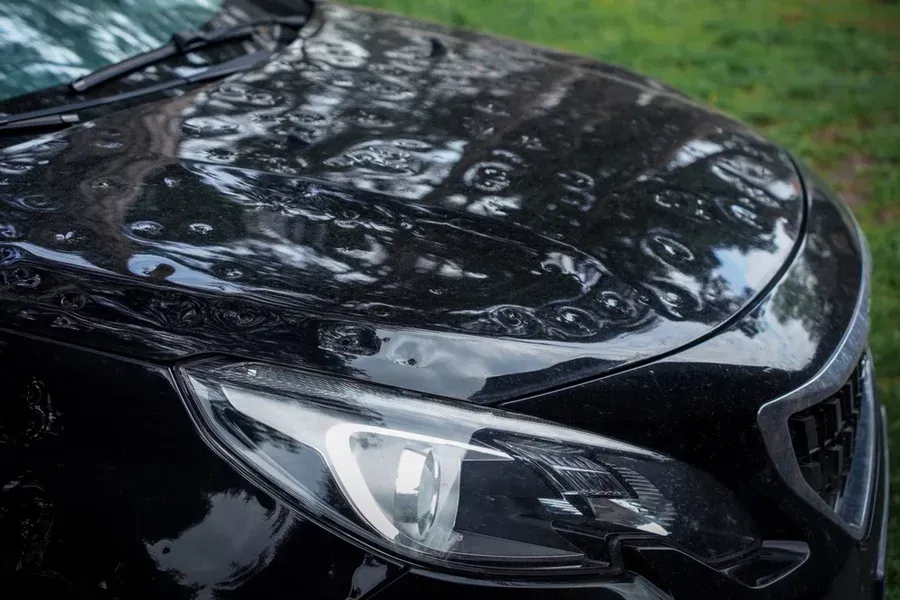
None of this applies when you're dealing with a dent. OEM vs aftermarket car parts: which is better? is a real question when something breaks and needs replacing, but a dent doesn't break anything. Your factory panel is still there, just pushed out of shape.
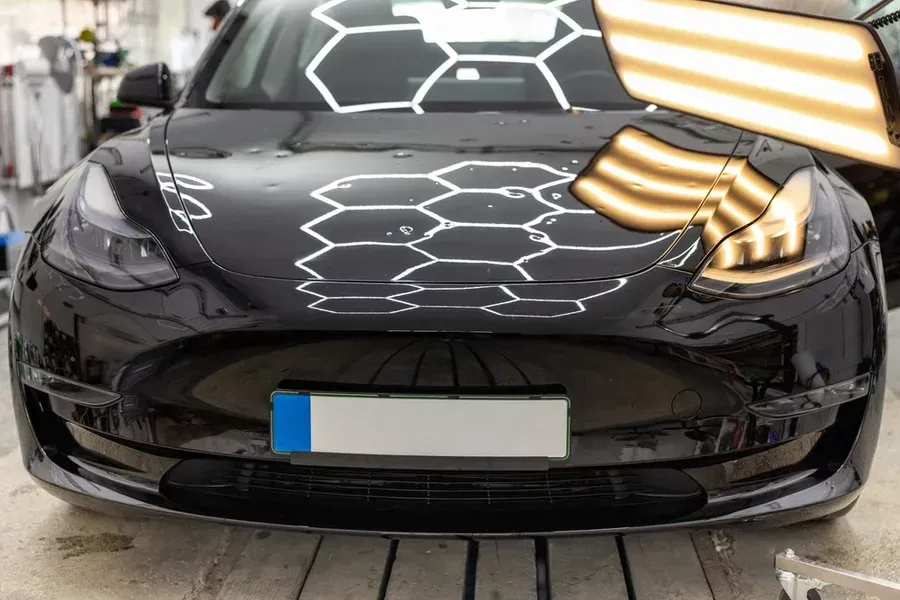
That's what makes Paintless Dent Repair different. Instead of replacing a damaged panel, whether with OEM or aftermarket, our technicians massage the metal back into place from behind the panel. Your original factory paint stays untouched, your factory panel stays on the car, and there's no part number to debate.
We understand why the OEM vs. aftermarket conversation feels complicated. There's a lot riding on that decision when a part needs replacing. But when it's a dent, you don't have to wade into any of it.
Your vehicle keeps its original panel, its finish, and its resale value. That's the repair we'd want for our own cars, and it's the one our team loves offering you.
Learn how Paintless Dent Repair keeps
your factory finish intact! Reach out to our team today to schedule your free estimate.
Related Articles