Wisconsin Hail Season: What Drivers Should Expect
TL;DR: Wisconsin hail is most common during the warmer months and can quickly cause dents, damaged paint, and broken glass. This guide explains when hail season occurs, how to protect your vehicle, what to do if you’re caught in a storm, and how to handle damage afterward.
- Wisconsin hail season generally runs from April through August, with severe thunderstorms creating the greatest risk.
- Prepare by monitoring weather alerts, parking under cover, considering a hail cover, and keeping current photos of your vehicle.
- If hail starts while driving, slow down, find a safe place to stop, use your hazard lights, and remain inside your vehicle.
- After a storm, inspect your car in good lighting and photograph dents, chips, cracks, and other damage.
- Review your insurance coverage and consider a professional inspection to determine whether paintless dent repair (PDR) is appropriate.
There’s nothing quite like walking out after a storm and finding fresh dents scattered across your car. Wisconsin hail can arrive quickly, and even a short storm can leave lasting damage.
Knowing when hail is most likely and what to do before, during, and after a storm can help you protect your vehicle.
When Is Hail Season in Wisconsin?
If you’re wondering when hail season in Wisconsin is, the greatest risk generally comes during the warmer months from April to August, based on University of Wisconsin data. Spring and summer thunderstorms can produce hail, strong winds, heavy rain, and other severe weather.
Wisconsin’s hail risk fits into the broader hail season in Midwest weather patterns. Warm, humid air near the ground can meet colder air higher in the atmosphere. When thunderstorms form under the right conditions, they can produce hail.
That means drivers should pay closer attention to severe weather forecasts as temperatures rise. A sunny morning can give way to storms later in the day, so checking the forecast before leaving home can give you more time to prepare.
If hail appears in the forecast, you might want to prepare your home for the upcoming hail season and think ahead about where you can park your vehicle under cover.
Why Does Wisconsin Get Hail?
Hail forms inside strong thunderstorms.
Powerful rising air currents carry water droplets high into the storm, where temperatures are cold enough for the droplets to freeze. The frozen pieces can move through the storm several times, collecting more layers of ice.
Once they become too heavy for the rising air to support them, they fall as hail.
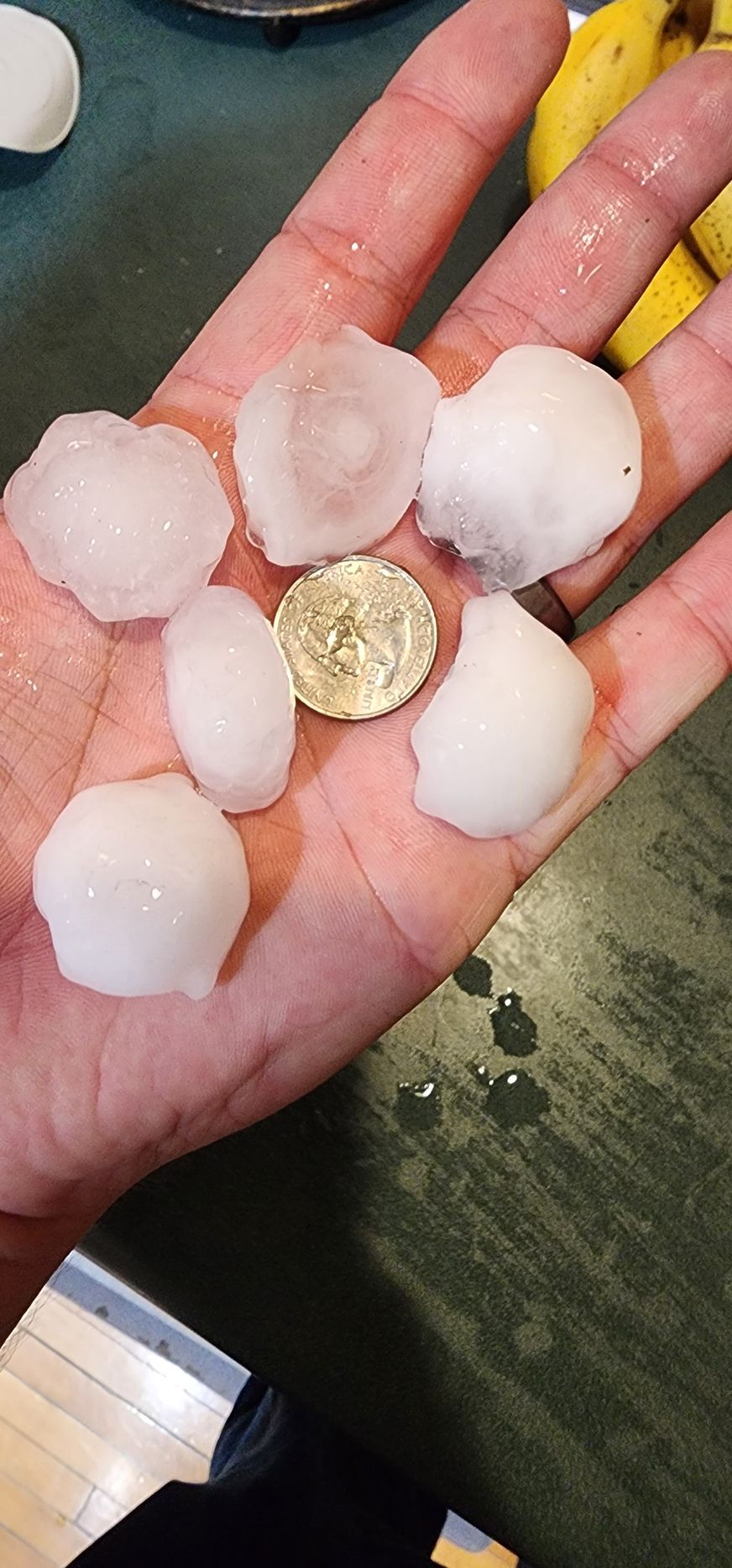
The size can vary widely from one Wisconsin hailstorm to another. Some storms produce small hail, while stronger storms can produce much larger pieces capable of damaging vehicles and property.
What Should Wisconsin Drivers Expect During Hail Season?
Hail in Wisconsin can create problems before the first dent ever appears. A strong storm may bring heavy rain, high winds, lightning, and poor visibility along with hail. Roads can become difficult to see, and hail collecting on pavement can make driving conditions more challenging.
The sound can also be startling when hail begins hitting your roof and windshield.
Your first instinct may be to rush toward the nearest shelter. Focus on driving safely instead.
Slow down when conditions call for it and leave more room between your vehicle and the car ahead. Look for a safe place to get off the road if visibility becomes poor. Avoid parking beneath trees or structures that could drop branches or debris during high winds.
How Can Hail Damage Your Vehicle?
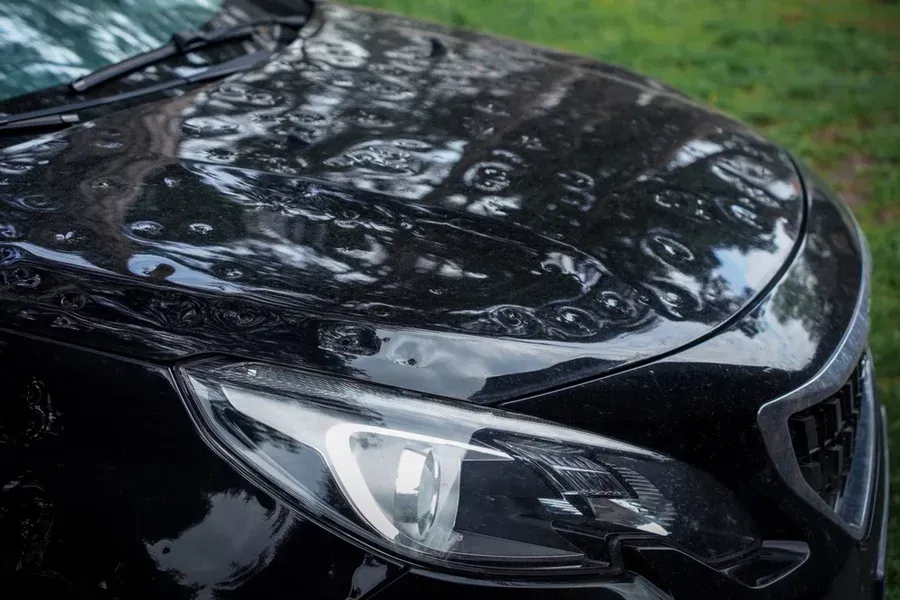
Hail damage often appears as small dents across the vehicle’s exterior. The hood, roof, trunk, and upper sections of the doors tend to take much of the impact.
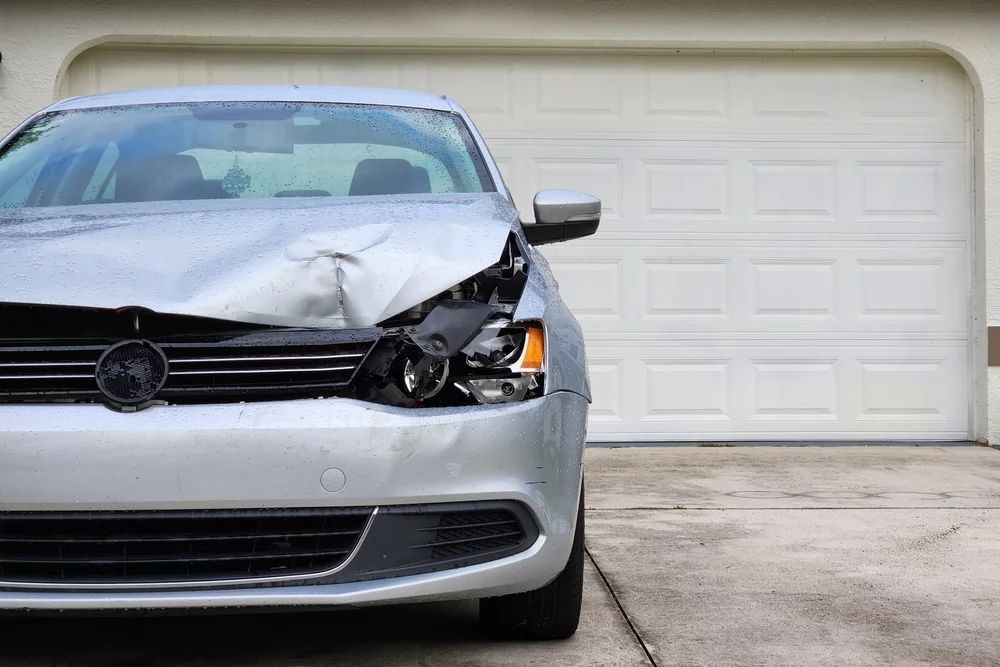
After a stronger storm, you may find:
- Dents across body panels
- Chipped or damaged paint
- Cracked windshields
- Broken windows
- Damaged mirrors
- Cracked exterior lights
Larger hail and strong winds can increase the chance of more noticeable damage. Some dents may look minor at first. Once you see them in bright sunlight or from a different angle, they can become much easier to spot. Even small dents can affect the appearance of an otherwise clean vehicle and may influence its resale or trade-in value.
How to Prepare Your Car for Wisconsin Hail Season
A little planning can save you a lot of frustration when a severe storm approaches.
Start by knowing where you can move your car when the forecasts calls for hail. A garage offers strong protection. Covered parking can also reduce direct exposure when a garage is unavailable. If you can’t find covered parking, using a hail cover could help.
Before severe weather arrives, you can:
- Check the weather forecast regularly.
- Enable severe weather alerts on your phone.
- Park your vehicle inside.
- Identify nearby covered parking options.
- Keep your insurance information easy to find.
- Take current photos of your vehicle.
Photos can give you a record of your vehicle’s condition before a storm. Capture the front, rear, sides, roof, hood, and windshield. Planning ahead also gives you time to move the car safely rather than rushing outside once hail has already started.
What Should You Do if Hail Starts While You’re Driving?
Getting caught in a Wisconsin hail storm is stressful, especially when visibility drops quickly. Reduce your speed and look for a safe location away from moving traffic. Covered parking may provide shelter when you can reach it safely.
If you need to stop, pull completely off the roadway in a safe location. Turn on your hazard lights so other drivers can see you. Stay inside the vehicle while hail is falling. Your car provides more protection than being outside during a severe storm.
Keep your distance from the windows if the hail is large enough to threaten the glass. You’re your side mirrors in to protect them. Wait until the storm has passed before getting out to inspect your vehicle.

What to Do After a Wisconsin Hail Storm
Once the storm passes, you may be tempted to give your car a quick glance and move on. Hail dents can be subtle, so a closer inspection is worth the extra few minutes.
Inspect Your Car in Good Lighting
Start by checking your vehicle somewhere with plenty of light. Walk around the car and inspect the hood, roof, trunk, doors, fenders, and other body panels. Look from several angles since shallow dents can be easier to see when light reflects across the paint. Check the windshield, side windows, mirrors, headlights, and taillights for cracks or chips as well.
Photograph Any Damage
If you find damage, take clear photos before arranging repairs. Capture wide photos showing the vehicle and close-up images showing individual dents, cracks, or chips. If several panels have damage, photograph each affected area. These photos create a useful record of your vehicle’s condition after the storm.
Review Your Insurance Coverage
Check your auto insurance policy to see what coverage applies to hail damage.
If you plan to file a claim, follow your insurance company’s instructions. Keep your photos, repair estimates, claim information, and related paperwork together so they are easy to reference.
Have the Damage Professionally Assessed
Hail damage can be difficult to judge from appearance alone. A professional inspection can show how many panels need repair and which repair method may work for your vehicle.
For many dents where the paint remains intact, paintless dent repair may be an option. This method works on the damaged panel without traditional filling and repainting. Getting an assessment also gives you a clearer picture of the damage before deciding what to do next.
Be Ready Before the Next Wisconsin Hail Storm
Wisconsin weather can change quickly during hail season. Checking forecasts, planning where to park, and knowing what to do on the road can make stormy days easier to handle. And if Wisconsin hail leaves its mark on your car, inspect the damage carefully, document what you find, review your coverage, and book your hail damage inspection before the next storm hits!
Frequently Asked Questions
When is hail season in Wisconsin?
Hail season in Wisconsin typically runs from May through August, when severe thunderstorms are most common and can cause significant vehicle damage.
How often does Wisconsin get hail storms?
Wisconsin experiences hailstorms every year, though frequency and severity vary. Larger hail can quickly cause dents across a vehicle’s hood, roof, and body panels.
What months have the highest hail risk?
May, June, and July generally have the highest hail risk in Wisconsin, although damaging hailstorms can occur throughout spring and summer.
How can I protect my car from hail damage?
Park in a garage or covered area whenever possible. If shelter isn’t available, a padded hail cover can help reduce potential damage.
What should I do immediately after a hailstorm?
Once it’s safe, inspect and photograph your vehicle, then contact your insurance company if needed. Paintless dent repair (PDR) may be an effective option for dents with intact paint.
Related Articles