Paintless Clear Coat Restoration: Protecting and Enhancing Your Vehicle's Shine
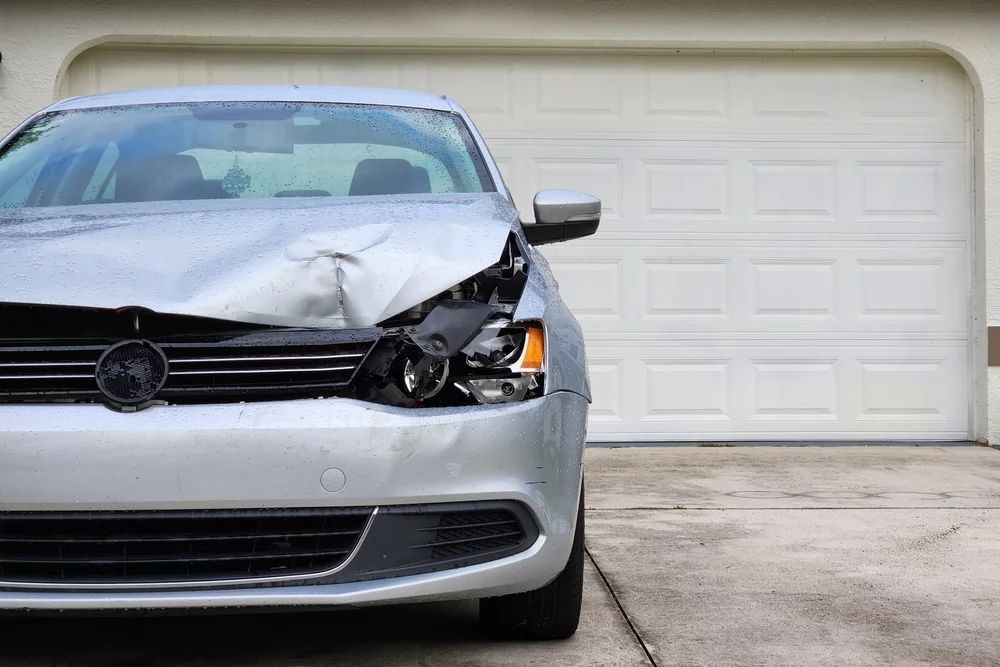
Your vehicle's clear coat plays a crucial role in maintaining its aesthetic appeal and protecting the underlying paint. Over time, however, exposure to the sun, environmental pollutants, and minor abrasions can cause the clear coat to lose its shine, leaving your car looking dull or worn. This is where Paintless Clear Coat Restoration (PCR) comes in—a highly effective method to restore your vehicle’s exterior without the need for expensive repainting or invasive procedures.
In this blog, we’ll explore what Paintless Clear Coat Restoration is, its benefits, and how it can keep your car looking its best.
What is Paintless Clear Coat Restoration?
Paintless Clear Coat Restoration (PCR) is a non-invasive method used to restore the shine and clarity of a vehicle’s clear coat without the need to sand, repaint, or reapply a new coat. It focuses on repairing the existing clear coat through polishing, correcting, and revitalizing the surface to bring back that showroom shine.
Unlike traditional methods that might involve sanding down layers of clear coat or paint, PCR is minimally invasive. Instead, specialized tools, compounds, and techniques are used to polish out imperfections like swirl marks, oxidation, or light scratches while preserving the original paint job.
Key Benefits of Paintless Clear Coat Restoration
1. Cost-Effective Solution
One of the most attractive features of PCR is that it's significantly more affordable than traditional repainting or full clear coat replacement. Since the process only requires surface-level correction, the need for expensive materials and labor is minimized.
2. Time-Saving
Because it avoids the complexities of repainting, sanding, and layering new clear coat, PCR can usually be done in a fraction of the time. This makes it ideal for drivers who want quick results without sacrificing quality. Depending on the condition of the vehicle, PCR can be completed in just a few hours or a single day.
3. Preserves Original Paint
Since PCR focuses on restoring the existing clear coat, there’s no risk of mismatched paint colors or inconsistencies. Your car will retain its original look, just with a renewed gloss and vibrancy. This method ensures that the factory-finished paint job remains intact, maintaining the car's value.
4. Protects Against Further Damage
PCR not only restores shine but also adds an extra layer of protection. After the clear coat is restored, it's often sealed with a protective coating that shields your vehicle from future damage caused by UV rays, water spots, or environmental pollutants.
5. Enhances Vehicle Resale Value
If you’re considering selling or trading in your vehicle, restoring the clear coat can make a world of difference. A car that looks brand new will naturally command a higher resale value, and PCR is an easy way to boost your vehicle’s aesthetic appeal without breaking the bank.
How Does Paintless Clear Coat Restoration Work?
The process of PCR typically involves three main steps:
1. Surface Inspection
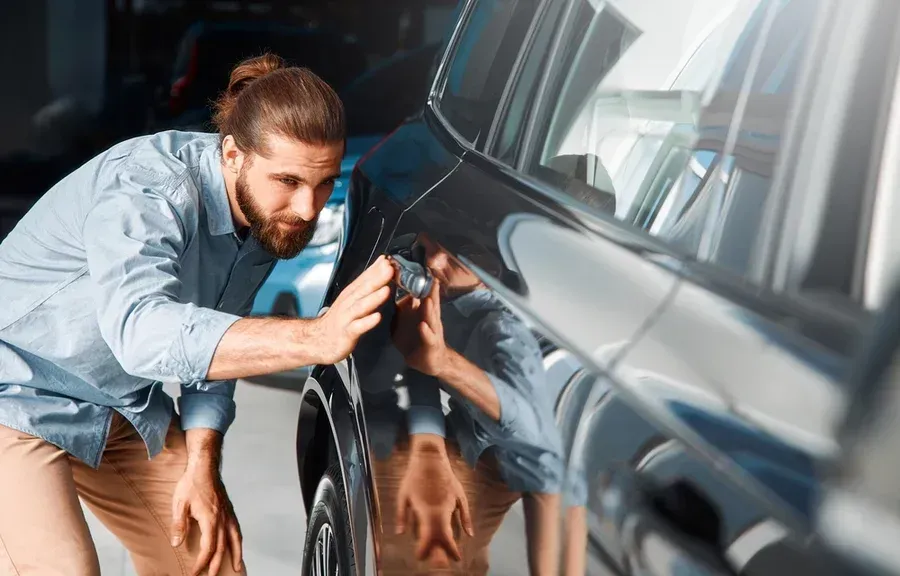
Before any work begins, a thorough inspection of the vehicle’s exterior is performed to assess the level of damage to the clear coat. This allows technicians to determine the right approach for correction.
2. Surface Preparation
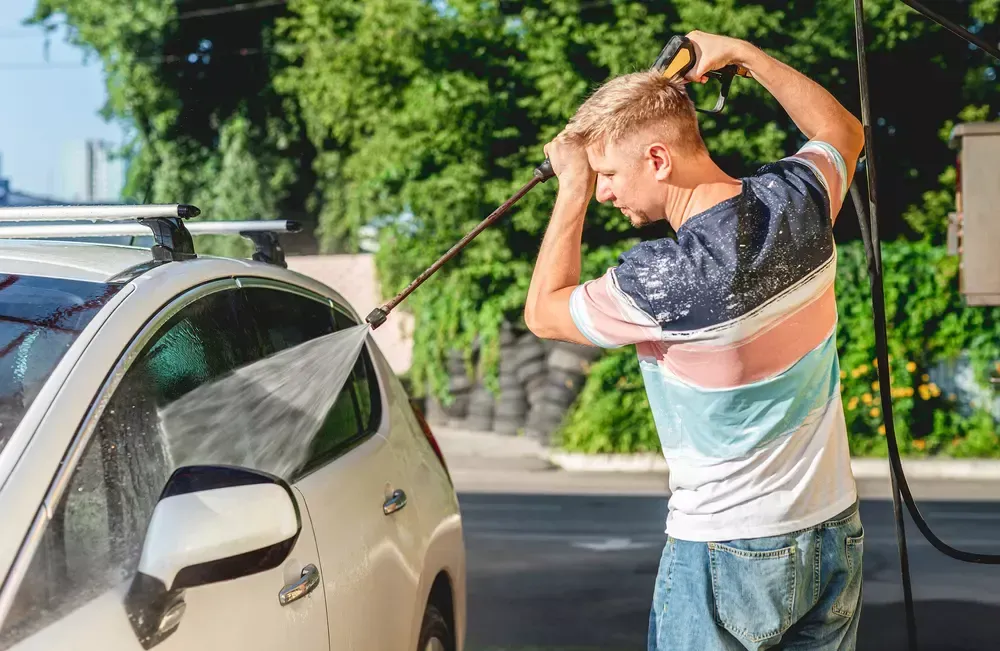
The surface of the vehicle is carefully cleaned to remove any dirt, debris, or contaminants that might interfere with the restoration process. Often, a clay bar is used to remove fine particles embedded in the surface.
3. Polishing and Correction
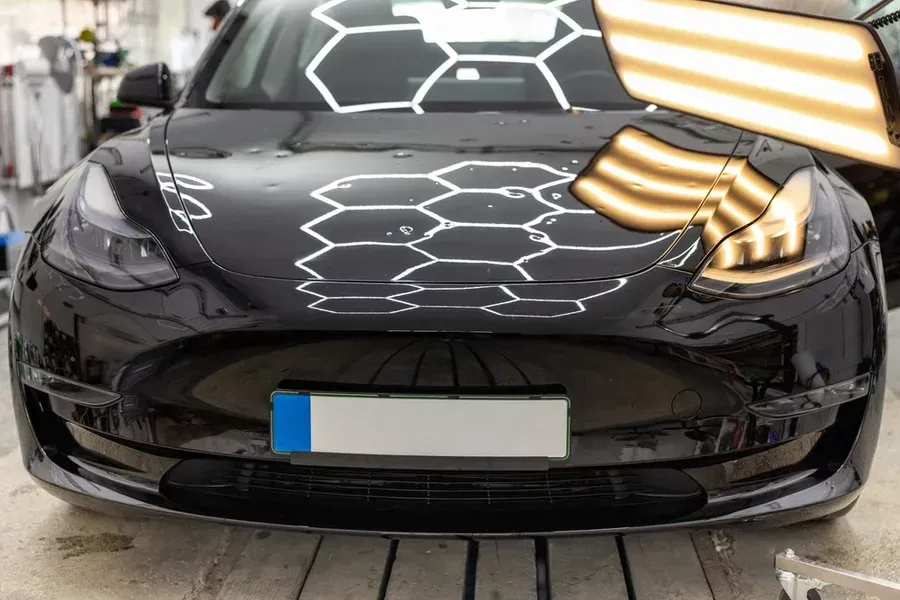
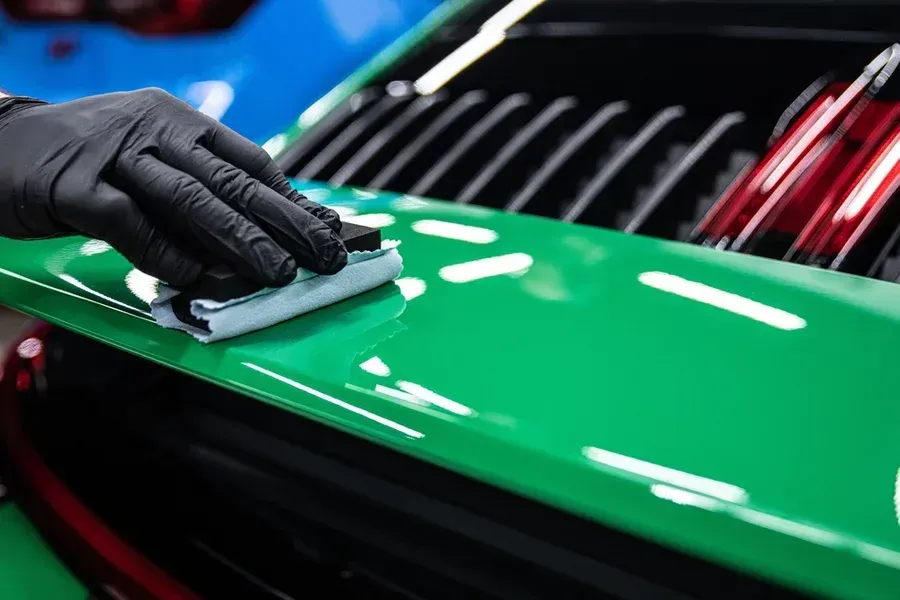
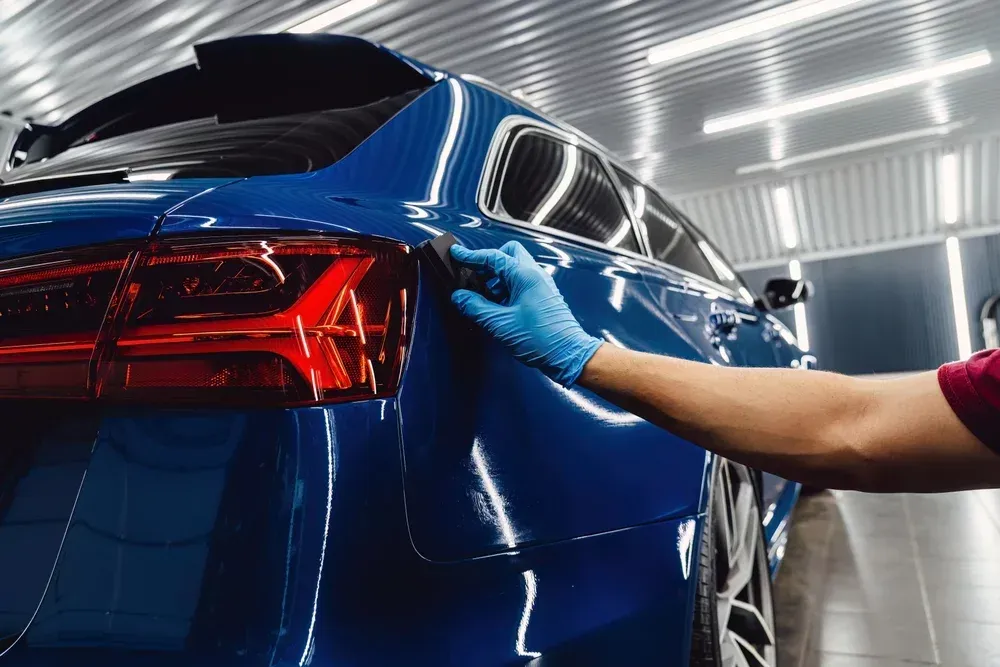
Once the surface is prepared, specialized polishing compounds and machines are used to correct defects in the clear coat. The polishing process smooths out swirl marks, light scratches, and any dull areas, revealing a vibrant, glossy finish.
In some cases, a ceramic coating or sealant is applied afterward to enhance the shine and protect the restored clear coat from future wear and tear.
When Should You Consider Paintless Clear Coat Restoration?
If your vehicle has visible swirl marks, oxidation, or a dull finish, but the paint itself is in good condition, PCR is likely the right solution for you. It’s an ideal option for:
Cars with minor surface damage like light scratches, swirls, or fading.
Vehicles exposed to environmental elements, such as UV rays, rain, or pollutants, which cause the clear coat to degrade over time.
Preparing for resale: Restoring the clear coat makes your car more visually appealing and can increase its market value.
Choose Dent Clinic for Expert Paintless Clear Coat Restoration
At Dent Clinic, we specialize in Paintless Clear Coat Restoration and other non-invasive vehicle repair methods, helping you preserve the beauty of your vehicle. With years of experience, top-notch tools, and a dedication to quality service, we ensure that your car looks its best while maintaining its original finish.
Why wait for a costly repaint when you can restore your vehicle’s clear coat quickly and affordably?
Visit Us Today!
If your vehicle's clear coat is looking dull or worn, don’t hesitate to contact us and explore the benefits of Paintless Clear Coat Restoration. We'll have your car shining like new in no time.
📍 Location: 155 N Janacek Rd, Brookfield, WI 53045
☎️ Phone: (262) 785-9595
🌐 Website: www.doording911.com
Let us help you bring your vehicle’s shine back to life!
Related Articles