Why Do Dealerships Charge So Much for Service?
TLDR: Dealerships charge more because of higher overhead costs, specialized training requirements, and OEM parts. Independent mechanics offer lower rates with more flexibility, but dealerships provide brand-specific expertise that can be valuable for complex repairs.
- Higher labor rates reflect specialized training and equipment
- Independent shops have more pricing flexibility
- Payment plans are increasingly available at both options
You've probably noticed the sticker shock when getting a quote from your car's dealership. The prices can seem much higher than what your local mechanic charges for similar work. There's actually a method behind the pricing and keep in mind that dealerships face different overhead costs and use manufacturer-specific parts.
Understanding these differences helps you make smarter choices about where to take your car for repairs and maintenance.
Dealership vs Mechanic
The price gap between dealerships and independent shops comes down to a few things. Dealerships typically employ technicians who've completed specialized training programs for specific brands, and they're required to invest in specific diagnostic equipment for the makes and models they supply.
These shops also maintain relationships directly with manufacturers, which means they're using OEM parts rather than aftermarket alternatives.
Independent mechanics don't face the same overhead requirements. They can choose whatever parts suppliers they want, work on multiple vehicle brands without manufacturer restrictions, and they're not paying for expensive franchise agreements or corporate branding.
Is a Dealership More Expensive Than a Mechanic?
Yes, dealerships almost always charge more. Car dealership labor rates often run $100 to $200 per hour, while independent shops might charge $75 to $125 for the same work. The difference isn't just about greed though.
Dealership technicians have access to technical service bulletins and manufacturer hotlines that independent mechanics don't, which can mean a better answer to a complex issue specific to the model.
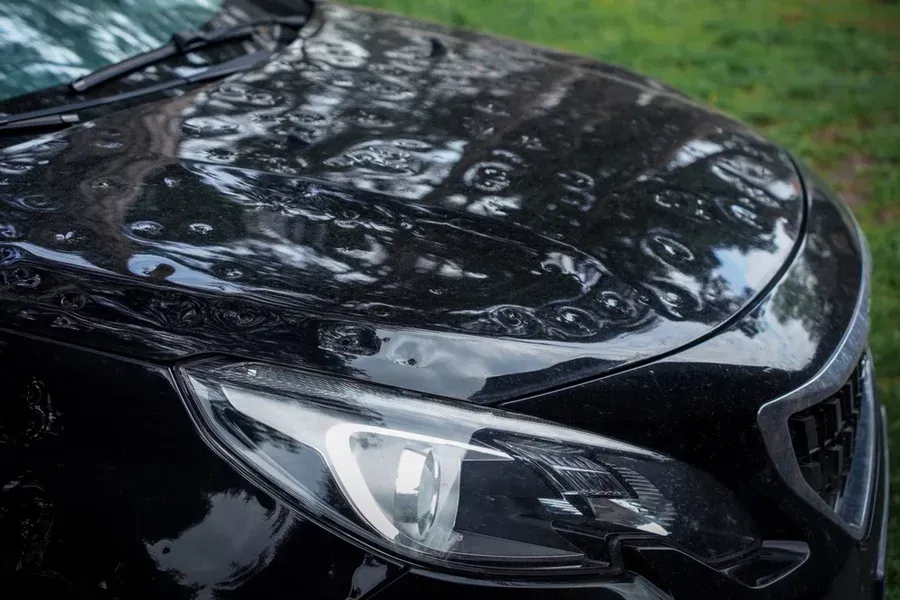
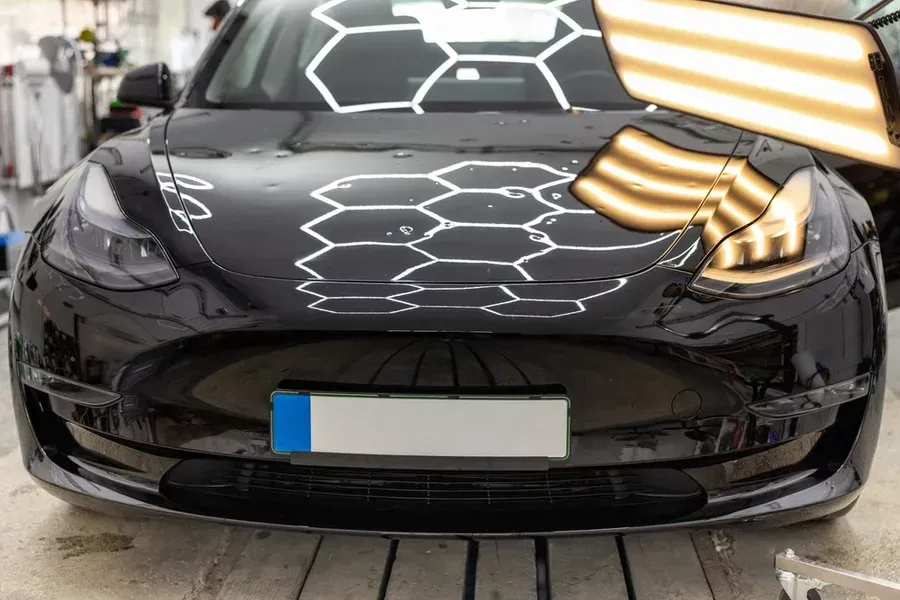
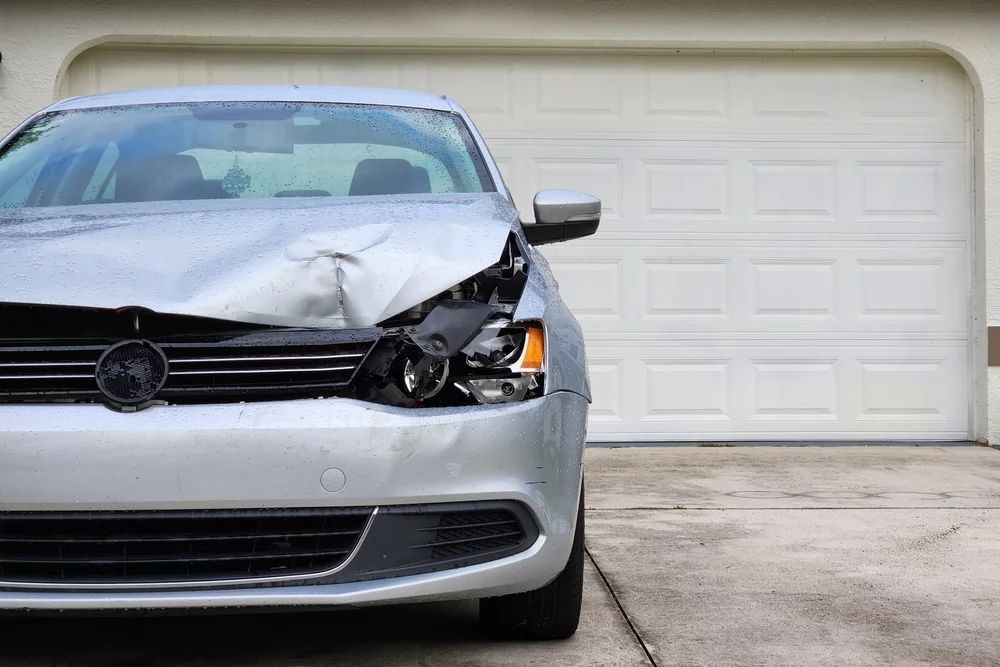
For routine maintenance like oil changes, dents, and light body work, you're usually better off financially at an independent shop. But when you're dealing with warranty work, recalls, or complicated electrical problems that require specialized diagnostic tools, the dealership might be the better option.
Do Dealerships Offer Payment Plans for Repairs?
Many dealerships realize that repairs can be expensive, so they've started offering financing options. Some dealerships partner with financial institutions to provide payment plans for larger repairs, letting you spread costs over several months. Some even offer their own branded credit cards with promotional periods.
Independent shops are catching up in this area too. While smaller operations might only accept cash or credit, many established local mechanics now work with third-party financing companies to help customers manage unexpected repair expenses.
Final Thoughts
The choice between a dealership and an independent mechanic isn't always clear-cut. Dealerships cost more upfront, there's no denying that, but they bring specialized knowledge and genuine parts to the table. For newer vehicles under warranty or complex repairs requiring brand-specific expertise, they're often worth the premium.
But when it comes to dents and auto body work, leave this to your local professionals like the team at Dent Clinic. We offer expert reconditioning with over 30 years of experience at a price that won’t shock you. Give us a call today!
Related Articles